Roof Replacement
Roof Replacement in Normal, IL — Licensed Local Roofing Contractors
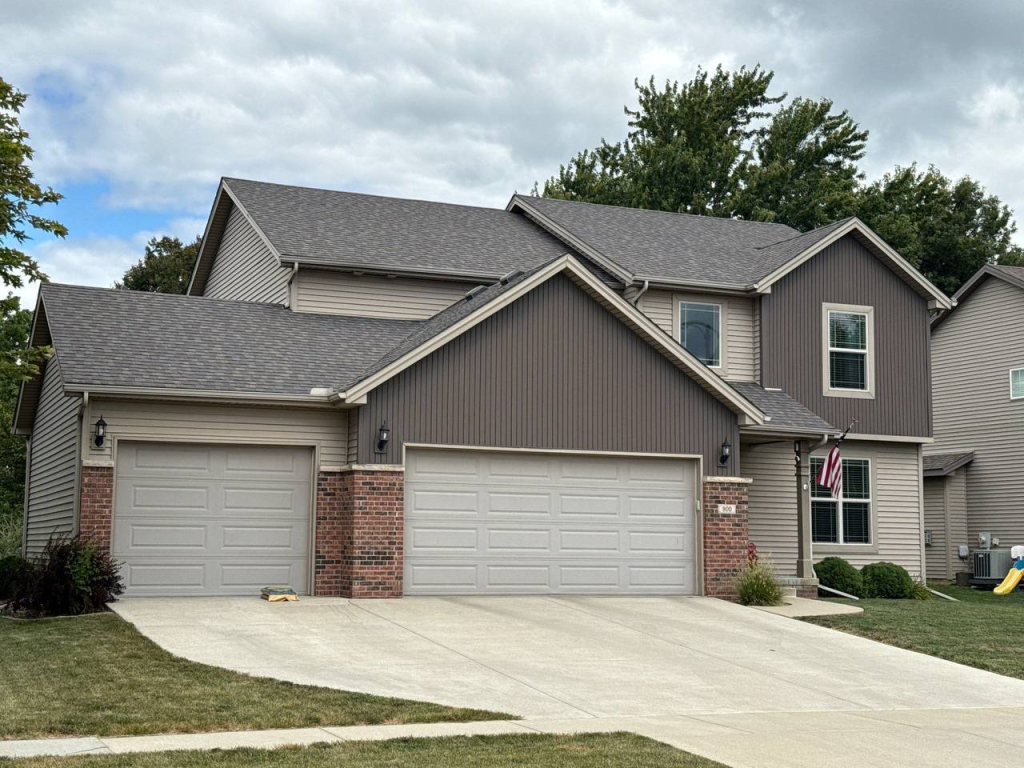
When Normal homeowners need a roof replacement in Normal, IL, the right contractor brings genuine knowledge of McLean County’s specific weather patterns, housing characteristics, and building requirements. At Cupples Construction, we deliver full roof replacement services built for Normal’s climate, diverse housing stock, and McLean County building code requirements. Every project we complete is backed by our workmanship guarantee and manufacturer material warranties.
Because Normal is home to Illinois State University and sits as the northern half of the Bloomington-Normal metropolitan area, its housing inventory is uniquely diverse. Historic homes near Uptown Normal and the ISU campus corridor sit alongside mid-century residential neighborhoods, student housing developments, and the newer master-planned subdivisions that have expanded rapidly in Normal’s northern and eastern corridors. Although every home is different, a quality roof replacement in Normal, IL always requires correct materials, proper installation sequence, adequate ventilation, and full McLean County code compliance.
Furthermore, this page covers everything Normal homeowners need to know — costs, materials, timelines, storm damage, insurance claims, and what separates a roof that lasts 30 years from one that fails prematurely. When you’re ready to move forward, call us at +309-826-4377.
Why Normal Homeowners Need a Roof Built for Central Illinois Weather
Normal’s position in McLean County places it in one of central Illinois’s most demanding roofing environments. Because the city sits in open prairie terrain with minimal natural windbreaks, storm systems accelerate across McLean County with very little resistance — driving hail, high winds, and heavy precipitation directly into roofing systems throughout every season.
Normal’s Open Prairie Exposure Amplifies Wind and Hail Damage
Because Normal sits in the open agricultural landscape of McLean County, wind speeds during severe weather events reach elevated levels with no geographic obstacles to slow them down. As a result, shingle blow-off and uplift damage occur more frequently in Normal than in more sheltered communities — making proper nail placement, wind-rated underlayment, and quality starter strip installation critical on every job we complete here.
Furthermore, hailstorms track across McLean County’s open terrain with high frequency throughout the storm season. Because Normal’s surrounding flatness offers no geographic deflection from incoming storm cells, hail accumulation damage is one of the most consistent triggers for roof replacement in this market. Moreover, Normal’s position in the Bloomington-Normal metropolitan area means that post-storm contractor demand is high — making it especially important to work with an established local contractor rather than waiting until storm chasers arrive. Our guide on How to Spot Hail Damage on Your Roof explains exactly what Normal homeowners should look for after every significant storm.
Normal’s ISU Campus Creates a Unique Housing Stock Challenge
Because Illinois State University drives significant housing demand in Normal, the city’s residential stock includes a higher proportion of older, heavily-occupied rental homes near the campus than most Illinois communities of comparable size. As a result, many Normal homes have received deferred maintenance over years of rental use — with roofing systems that have been repaired repeatedly rather than replaced at the appropriate time. Furthermore, older campus-area homes frequently have multiple shingle layers installed over original decking without proper tear-off — a condition that requires complete removal and decking assessment before quality replacement can begin.
Our post on The Silent Roof Failures That Don’t Leak Until It’s Too Late explains how years of deferred maintenance create invisible failure conditions that only become apparent during full replacement.
Signs You Need a Roof Replacement in Normal, IL
Not every Normal roof needs full replacement. However, several clear indicators make replacement the more cost-effective choice over continued repairs.
Your Normal Roof Is 20 or More Years Old
Although some roofs exceed their rated lifespan under ideal conditions, Normal’s central Illinois climate accelerates shingle degradation significantly. Because of McLean County’s open prairie wind exposure, heavy hail frequency, and severe freeze-thaw cycling, most asphalt shingle roofs in Normal reach functional end-of-life between 18 and 22 years. Therefore, if your roof is approaching or past that range, a professional inspection will clarify exactly where you stand. Our Complete Guide to Roof Inspections in Illinois explains what a thorough inspection covers and what red flags to watch for.
Storm Damage Has Compromised a Large Portion of the Roof
Since Normal experiences multiple significant hail and wind events every year, storm damage is the most common reason Normal homeowners contact us for roof replacement. When damage covers more than 25–30% of the roof surface, full replacement is almost always more cost-effective than sectional repairs. Moreover, insurance claims for storm damage typically cover replacement costs minus your deductible — making it financially sensible to act decisively rather than patching and waiting.
For a step-by-step guide to documenting and filing your claim, see our post on What to Do After a Roof Storm in Illinois and our Storm Damage Roof Inspection Checklist for Illinois Homeowners.
Active Leaks Are Present in Multiple Areas
Although a single isolated leak is often repairable, multiple active leak points — especially in an aging Normal home — indicate systemic failure across the roofing system. As a result, patching individual spots becomes increasingly expensive without solving the underlying problem. Furthermore, our post on Signs You Need Roof Repair Before It Starts Leaking covers the early warning signs that Normal homeowners frequently miss before active leaks develop.
Energy Bills Are Climbing Without Explanation
A deteriorating roof in Normal loses its thermal performance well before visible leaks appear. Consequently, rising heating costs in winter and cooling costs in summer are often the first sign that a roof’s insulating layer has been compromised. Since Normal’s open prairie location means heating systems work especially hard against winter wind chill, a compromised roof’s energy impact is felt more acutely here than in more sheltered communities. Our post on How Roof Design Choices Impact Energy Bills for Decades explains the direct relationship between roofing condition and utility costs.
Still weighing repair versus replacement? Our detailed comparison in Roof Repair vs Roof Replacement — Which Is Better for Illinois Homes? will help you make the right call for your specific Normal situation.
Roof Replacement Cost in Normal, IL
Normal homeowners typically pay between $8,800 and $22,000 for a full roof replacement, depending on home size, roof pitch, material selection, and existing decking condition. Here is a realistic cost breakdown for Normal specifically:
- Standard architectural asphalt shingles on a 1,500–2,000 sq ft Normal home: $8,800–$13,200
- Class 4 impact-resistant shingles: $12,500–$17,500
- Metal roofing systems: $16,500–$25,500+
- Large two-story or complex-pitch Normal homes: $18,500–$29,000+
What Drives Normal Roof Replacement Costs Higher
Multiple shingle layer tear-off. Because many older Normal homes — particularly those in the campus-area rental corridors near ISU — have had two or even three layers of shingles installed over original decking without full tear-off, complete removal and decking assessment adds cost to many Normal replacement projects. As a result, our estimates always include a thorough pre-replacement evaluation to identify layering conditions before pricing is finalized.
Ice and water shield requirements. Because Normal’s central Illinois freeze-thaw cycle creates genuine ice dam risk throughout the winter months, proper ice and water shield installation must extend sufficiently up the roof deck to provide reliable protection. Although this increases material cost modestly, it is essential for protecting Normal homes against recurring winter moisture damage.
Ventilation corrections. Because older Normal homes near the ISU campus were built before modern ventilation standards existed, inadequate attic ventilation is common in these neighborhoods. Our post on How Roof Ventilation Mistakes Shorten Shingle Lifespan explains why correcting ventilation during replacement is especially critical in older homes throughout Normal.
Therefore, getting a detailed written estimate specific to your Normal home is essential before making any decisions. Call +309-826-4377 or visit our Contact page to schedule your free assessment.
Best Roofing Materials for Normal, IL Homes
Architectural Asphalt Shingles
For most Normal homeowners, high-quality architectural asphalt shingles represent the best balance of performance, lifespan, and cost. Furthermore, when properly installed with correct ice barrier protection, wind-rated underlayment, and ventilation corrections, they deliver 25–30 years of reliable service under Normal’s demanding central Illinois weather. Because of their proven track record across McLean County, they remain the foundation of most residential roof replacements we complete in Normal.
Class 4 Impact-Resistant Shingles
Because Normal’s open prairie location in McLean County amplifies hail impact and wind exposure, Class 4 impact-resistant shingles are the upgrade we most frequently recommend to Normal homeowners. These shingles carry the UL 2218 Class 4 impact rating — the highest available — and consequently qualify for homeowner’s insurance premium discounts of 20–30% in McLean County. Moreover, over the full lifespan of the roof, those savings frequently offset the higher upfront material cost entirely.
Our comprehensive guide to Class 4 Roof Shingles: Advanced Impact Protection for Modern Roofing Systems covers everything Normal homeowners should know before making a material decision.
GAF Roofing Systems in Normal
As a GAF-certified installer, Cupples Construction installs the full GAF product line across Normal. Specifically, GAF’s Timberline HDZ and Timberline AS II shingles are engineered for high-wind and impact performance — both critical for Normal’s central Illinois weather profile. Additionally, our dedicated GAF in Normal page covers Normal-specific GAF options and warranty programs in full detail.
Metal Roofing in Normal
For Normal homeowners seeking a 40–70 year solution with minimal maintenance requirements, metal roofing is an increasingly popular choice across McLean County. Our Metal Roofing: A Comprehensive Guide for Homeowners covers realistic costs and performance expectations for central Illinois climates. Furthermore, our post on Is It Possible to Install a Metal Roof Over Shingles? answers one of the most common questions we receive from Normal homeowners exploring metal as their replacement option.
Fortified Roofing in Normal
For maximum wind and impact protection, our Fortified Roofing in Normal installation meets the IBHS FORTIFIED designation — the highest level of storm resilience available for residential roofing systems. Since Normal’s open prairie location in McLean County makes it especially vulnerable to wind-driven storm events, this designation delivers exceptional long-term value for homeowners throughout the community.
Normal Roof Replacement and Your Insurance Claim
Because Normal sits in central Illinois’s active storm corridor, insurance-covered roof replacements are extremely common in McLean County. However, the claims process requires careful handling to ensure you receive the full payout your policy entitles you to.
Document Damage Before Calling Your Insurer
Photograph all visible damage from the ground immediately after a storm. Since insurers rely heavily on documentation to assess claims, thorough photos taken promptly after the event will significantly strengthen your position. Additionally, our guide What to Do After a Roof Storm in Illinois walks through every step in the correct sequence so nothing critical is missed.
Schedule Your Contractor Inspection Before the Adjuster Arrives
Because a professional inspection report provides objective documentation for your claim, scheduling your contractor inspection before the adjuster visits puts you in a significantly stronger position. Therefore, use our Storm Damage Roof Inspection Checklist for Illinois Homeowners to understand exactly what a thorough inspection should cover before anyone arrives at your Normal home.
Be Cautious of Storm Chasers in Normal
After every major storm event in Normal, out-of-state contractors arrive quickly — offering free inspections in exchange for signed contracts. Although their offers may appear attractive, these arrangements frequently result in poor workmanship and voided warranties. Instead, work with a licensed, permanently established Illinois contractor like Cupples Construction. Furthermore, for immediate protection while your claim is being processed, our Emergency Roofing Services in Normal page covers rapid-response tarping and temporary repairs available across the Normal area.
Normal Roofing Permit and Code Requirements
Normal roofing replacements are subject to McLean County building codes as well as Town of Normal permit requirements. Our post What Homeowners Should Know About Illinois Roofing Requirements covers baseline Illinois requirements — however, Normal-specific permit requirements add an additional compliance layer that every homeowner should understand before hiring a contractor.
Permits Are Required for Every Full Roof Replacement
Because Normal requires building permits for full roof replacement projects, any contractor who suggests skipping this step is creating serious legal and financial risk for you as the homeowner. Therefore, we pull all required permits before work begins on every Normal job — without exception.
McLean County Wind and Ice Shield Standards in Normal
Given Normal’s open prairie wind exposure and central Illinois freeze-thaw cycle severity, proper wind-rated installation and ice and water shield protection are non-negotiable requirements on every job we complete in McLean County. As a result, Normal installations require more comprehensive wind and moisture protection than homes in more sheltered Illinois communities. Consequently, any estimate that doesn’t account for these requirements is either incorrect or cutting corners on your home’s long-term protection.
Cupples Construction is fully licensed and insured for roofing work throughout Normal and McLean County. Additionally, as a GAF-certified contractor, we activate full manufacturer warranties on every qualifying Normal installation — including the Golden Pledge warranty providing up to 50-year coverage.
Nearby Cities We Also Serve
In addition to Normal, Cupples Construction provides roof replacement throughout the surrounding central Illinois communities. Since many Normal homeowners have neighbors or family in adjacent cities, here are our dedicated pages for the nearest service areas:
Roof Replacement in Bloomington, IL
Roof Replacement in Decatur, IL
Roof Replacement in Lincoln, IL
Roof Replacement in Heyworth, IL
For a complete list of all Illinois cities we serve, visit our Roof Replacement in Illinois hub page.
Frequently Asked Questions: Roof Replacement in Normal, IL
How much does roof replacement cost in Normal, IL?
Most Normal homeowners pay between $8,800 and $22,000 for a full roof replacement. Because Normal homes vary significantly in size, pitch, and age, the most accurate way to determine your specific cost is a free on-site estimate. Call us at +309-826-4377 to schedule yours.
How long does a roof replacement take in Normal?
Most Normal roof replacements are completed in one to two days. However, larger homes, steep pitches, or projects requiring significant decking repair may take three days. Since central Illinois weather can also affect scheduling windows, we build realistic timelines into every written estimate.
Does hail damage qualify for insurance coverage in Normal?
Yes — and because Normal sits in central Illinois’s active hail corridor, hail and wind damage claims are among the most common in McLean County. Although coverage depends on your specific policy, most homeowner’s policies cover hail damage repair or replacement minus your deductible. Our post on What to Do After a Roof Storm in Illinois explains exactly how to document and file your claim effectively.
What roofing material is best for Normal’s weather?
Because of Normal’s open prairie wind exposure and central Illinois hail frequency, we recommend Class 4 impact-resistant shingles as the strongest overall value for most Normal homeowners. Furthermore, Class 4 shingles qualify for insurance premium discounts in McLean County — making them more affordable over the roof’s full lifespan than standard shingles.
How do I get a free roof replacement estimate in Normal?
Simply call us at +309-826-4377 or visit our Contact page to schedule your free, no-pressure on-site estimate. Because we serve Normal and the surrounding central Illinois communities regularly, we typically schedule within 2–3 business days.
Get Your Free Normal Roof Replacement Estimate Today
At Cupples Construction, we understand what Normal homes face every season — and we build every roof replacement to handle it. From Class 4 impact-resistant shingles to GAF-certified installations with Golden Pledge warranty coverage, we bring the materials, expertise, and local knowledge that Normal homeowners deserve.
Don’t wait for the next storm to force the decision. Call us today at +309-826-4377 or visit our Contact Us page to schedule your free Normal roof replacement estimate.
Cupples Construction — Normal’s trusted roof replacement contractor.
Other Services
Ready to Talk About Your Home?
Give us a call - no pressure, just friendly neighbors ready to help with your home

- 309-826-4377
- brian@cupplesconstruction.com
- Normal, IL
What Makes Us Different
- Faith-Based Family Business
- Licensed & Insured
- GAF Master Elite
- Veteran Family Owned
Tennessee Friends
Some services available - just ask!
Where We Help Families
Central Illinois:
Business Hours
Days Open
Monday - Friday [ 8:00 AM - 5:00 PM ]
Saturday [ 8:00 AM - 4:00 PM ]
Sunday [ Emergency Only ]