service location
Siding Contractor in Normal, IL
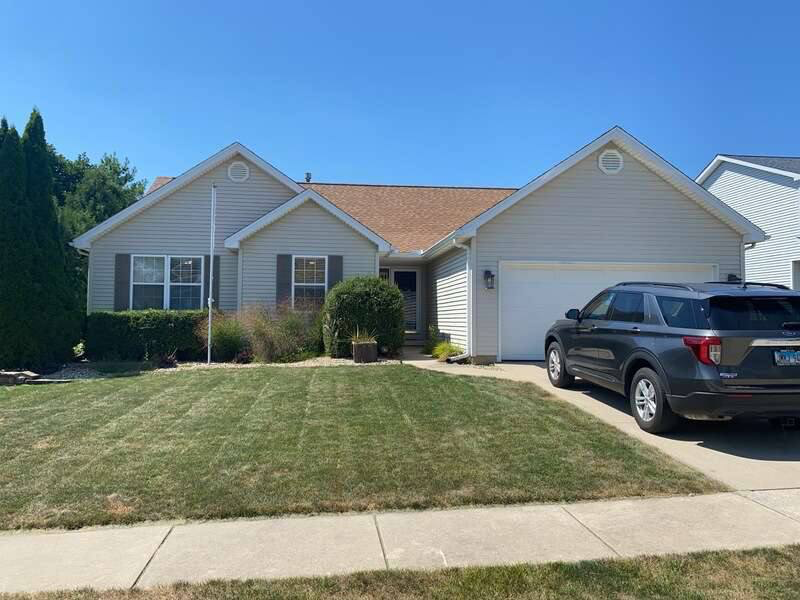
Cupples Construction is headquartered in Normal, which means our siding crews start their day from the same shop where we mix paint, stage materials, and load trucks. Roofing and siding share a job site, but they don’t share a craft. Siding is its own discipline — different fasteners, different flashing details, different expansion behavior, different failure modes. Working in our home city gives us the operational room to send the right crew with the right material to the right house, without the logistical compromises that distance forces.
This page is about how we approach siding work specifically in Normal. If you’re researching a full exterior project that includes the roof, the Normal Roofing page covers that side of the work. The two services are estimated separately, scheduled separately, and warrantied separately, even when they happen on the same project.
Siding Services in Normal
We organize siding work into four categories. Most Normal projects involve at least one of them, and full-exterior replacements involve all four to some degree.
Full Siding Installation
A new siding install in Normal is, more often than not, a tear-off-and-replace project on a home built between the 1960s and the early 2000s. The original cladding has reached the end of its service life — usually masonite, early-generation vinyl, or aluminum that’s chalked past the point of paint adhesion. We strip to sheathing, inspect and replace any damaged OSB or plank sheathing, install a proper weather-resistant barrier, and then run new siding with the manufacturer’s specified flashing details around windows, doors, and penetrations.
Material choice on a Normal install usually comes down to fiber cement (James Hardie or LP SmartSide engineered wood being the dominant options here), premium vinyl with insulated backing, or in some cases a transition to a board-and-batten or Dutch lap profile that wasn’t original to the house. We walk owners through the trade-offs in person rather than pushing one product line as a default. If you’d like to start that conversation, reach out for an in-person walk-through.
Installation quality is where most of the long-term performance is decided. Our post on why “good enough” installations fail prematurely was written about roofing, but the same logic applies to siding — fastener spacing, flashing laps, and clearance details are what separate a 30-year install from a 12-year install.
Siding Repair
Not every Normal home needs a full replacement. We do partial repairs frequently — a section damaged by a fallen branch, a band of siding that pulled loose in a windstorm, woodpecker damage on cedar or LP, a row that was installed too tight to a deck flashing and rotted from below. Repair work is detail work, and we treat it that way. Color matching on aged vinyl is rarely perfect, and we’ll tell you that upfront before quoting a repair instead of a section replacement.
Storm Damage Siding Repair
Hail and straight-line wind events in McLean County hit siding differently than they hit roofs. Hail bruises and cracks vinyl rather than puncturing it, which means damage often shows up months later when the cracked panel splits open in a freeze-thaw cycle. Wind damage tends to concentrate on west- and south-facing elevations and at corners where suction pressure is highest. Our storm damage inspection checklist covers what to look for, and the post on what to do after a storm walks through the documentation steps that matter for an insurance claim. Siding claims follow the same playbook.
Materials and Upgrade Work
A growing share of our Normal work is upgrade-driven rather than failure-driven. Owners want to move from vinyl to fiber cement for the look. They want to add insulated sheathing during a re-side to bring an older home’s wall R-value up. They want to swap a chalking aluminum gable for board-and-batten as part of a curb appeal refresh. These projects are usually planned months in advance and let us spec materials, color, and trim without storm-deadline pressure.
For homeowners weighing the long-term economics, the post on how design choices impact energy bills for decades is worth reading. Wall assemblies are part of the same decision.
Normal Siding Conditions Worth Understanding
Siding ages differently than roofing. Where a roof is exposed to UV from above and sheds water on a slope, siding takes UV from the side, absorbs wind-driven rain, and freezes and thaws on a vertical plane that can’t drain the way a roof deck can. A few factors shape how Normal siding performs.
Sun Exposure on the South and West Walls
In Normal, south- and west-facing elevations take the bulk of the UV load. On vinyl, this shows up as fading and chalking over a 15–20 year span. On older painted wood and hardboard, it shows up as paint failure, which then exposes the substrate to moisture. On fiber cement, the factory finish holds up well, but field-painted fiber cement on the south wall is where re-paint cycles get short.
Wind-Driven Rain on West Elevations
Most of Normal’s heaviest rain events come in from the west. West walls take more horizontal water than the rest of the house, and that’s where siding installation defects show up first — a poorly lapped piece of housewrap, a missing kickout flashing where a roof meets a wall, an unsealed butt joint behind the siding course.
Freeze-Thaw on the Wall Plane
Vertical surfaces don’t drain like roofs. Water that penetrates behind siding can sit, and when it freezes it expands. This is the failure mode behind a lot of cedar and hardboard rot in older Normal homes. Modern installations handle it with proper flashing, drainage planes, and rain-screen detailing on premium installs.
Impact Damage at Ground Level
Lawn equipment, kids’ sports, and the occasional backed-up car account for a surprising share of repair calls. The bottom three or four courses of siding take more abuse than the rest of the house combined.
Materials and Warranty
Manufacturer warranties on modern siding products typically run 25–50 years on the material and limited lifetime on the finish, depending on the product line. Our installation workmanship warranty is separate from the manufacturer’s material warranty, and we put both in writing on every project. The fine print matters — we’ll go through it with you before you sign a contract rather than after. If you want to see what the paperwork actually looks like before committing to anything, contact us and we’ll bring sample documentation to the estimate.
Recent Normal Siding Projects
Project photos and case studies will be added here as we document recent Normal siding installations and storm damage repairs. Caption format: [Project type] in [Normal neighborhood], [year]. [Material]. [Brief technical note].
Neighborhoods We Serve in Normal
Cupples Construction handles siding work across all of Normal, including the older established sections north and west of ISU, the postwar neighborhoods that ring the original town, the newer subdivisions on the east and north sides where the housing stock is largely 1990s–2010s, and the commercial-residential transition areas along Veterans Parkway. Different siding eras and exposures across the city mean our estimating process is house-specific rather than zone-specific.
Why Homeowners Choose Cupples for Siding in Normal
- Headquartered here. Material staging, crew dispatch, and follow-up callbacks all happen from the same shop in Normal.
- Siding is a separate craft, not a roofing add-on. We staff and train siding crews independently from roofing crews.
- Written workmanship warranty plus full manufacturer documentation. Both warranties get walked through line-by-line before contract signature.
- Storm response without storm-chaser tactics. We work claims with adjusters in McLean County year-round, not just after a major event.
- Family-owned, faith-rooted operation. We work in our own community and answer for our work here.
A house wears its siding longer than almost any other exterior material. The install has to be right the first time.
For more on our siding services in general, see the main siding services page. If you’re a property manager or business owner, our commercial services page covers the commercial side of our work.
Siding Work in Nearby Cities
Cupples Construction’s siding crews operate across central Illinois. Normal sits in a tight cluster with three cities we work in regularly — Bloomington shares our daily drive radius and a lot of the same housing stock east and south of the twin-city line. Peoria is about 40 minutes west and has genuinely different siding exposure conditions because of the river bluff geography. Champaign is roughly 50 minutes east and brings a different mix of rental and owner-occupied work into our schedule. We service all three from the same Normal shop.
Frequently Asked Questions About Normal Siding
How much does new siding cost on a typical Normal home?
Pricing varies enough by material, square footage, trim complexity, and substrate condition that a one-number answer isn’t honest. What we can tell you in Normal specifically: working from our home shop reduces material handling and crew transit time compared to jobs farther out, and that efficiency gets reflected in the estimate rather than absorbed as margin. We give written estimates after an in-person measurement, not from a phone call.
How long does a full siding replacement take in Normal?
For a typical 2,000–2,800 sq ft Normal home with no major substrate repair, a full tear-off and replacement runs 4–7 working days depending on weather and material lead time. Fiber cement installs run a day or two longer than vinyl. We schedule with weather windows in mind — we’d rather start a day late than catch a sheathing tear-off in the rain.
Should I do my roof and siding at the same time?
Often, yes — flashing details where the roof meets the wall are easier to integrate cleanly when both trades are sequenced together. We estimate roof and siding separately even when they’re on the same project, and we sequence the work so the roof flashing is ready when the siding crew arrives. The Normal Roofing page covers the roofing side.
What siding material lasts longest in central Illinois weather?
Fiber cement (James Hardie, LP SmartSide) and premium insulated vinyl both perform well in Normal’s freeze-thaw climate when installed correctly. Cedar can last decades but requires maintenance painting every 5–8 years to do so. The longer-life answer is almost always: whichever material is installed correctly, with proper flashing and drainage details. Material choice matters less than installation discipline.
Do you handle siding insurance claims?
Yes. We document hail and wind damage, meet with the adjuster on site, and work the claim through to completion. We don’t write the claim for the carrier, but we make sure damage isn’t missed and that scope of loss reflects what we actually saw on the wall.
Schedule a Normal Siding Estimate
If you’re a Normal homeowner with siding that’s reaching the end of its life, recent storm damage, or a curb-appeal project on the planning horizon, we’d like to look at the house before quoting. Estimates in Normal happen quickly because we’re already here. We’ll come measure, walk you through the realistic options for your specific wall, and put numbers on paper.
The fastest way to get on the schedule is to contact us directly — fill out the form, tell us what you’re seeing on the walls, and we’ll be in touch to set the estimate.
Other Services
Ready to Talk About Your Home?
Give us a call - no pressure, just friendly neighbors ready to help with your home

- 309-826-4377
- brian@cupplesconstruction.com
- Normal, IL
What Makes Us Different
- Faith-Based Family Business
- Licensed & Insured
- GAF Master Elite
- Veteran Family Owned
Tennessee Friends
Some services available - just ask!
Where We Help Families
Central Illinois:
Business Hours
Days Open
Monday - Friday [ 8:00 AM - 5:00 PM ]
Saturday [ 8:00 AM - 4:00 PM ]
Sunday [ Emergency Only ]