


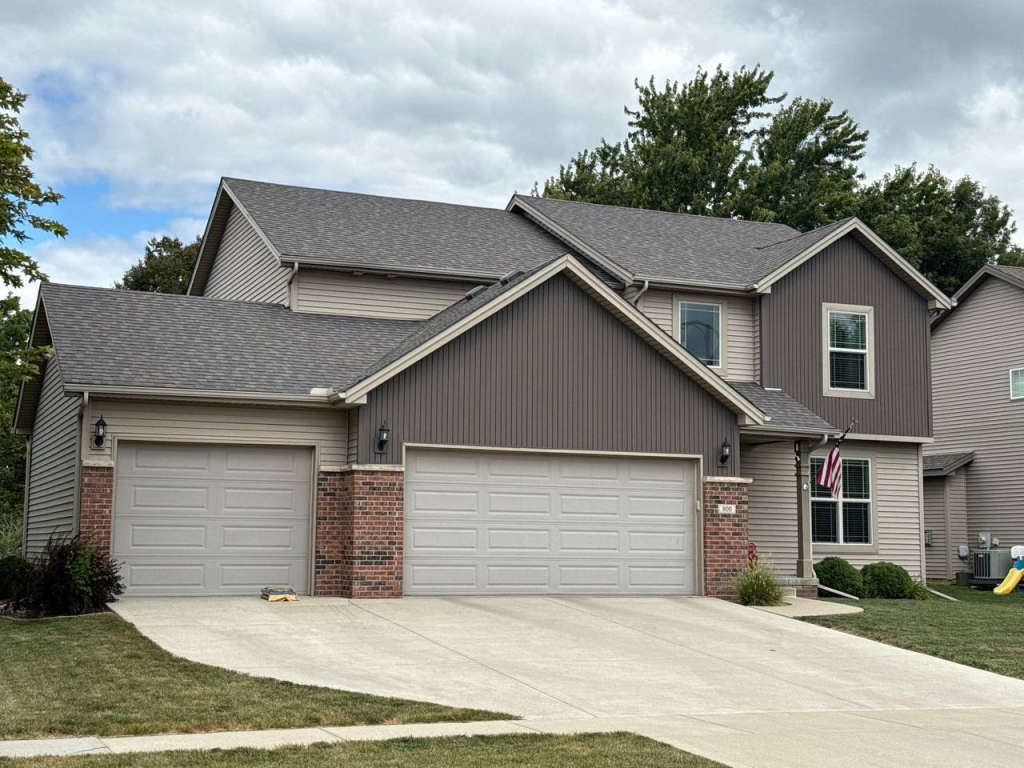
Your roof is more than just protection from the elements—it’s a key factor in your home’s energy efficiency. The design choices you make when building or replacing a roof can affect heating and cooling costs for decades. From materials to slope, ventilation, and insulation, each decision plays a role in your home’s energy consumption.
At Cupples Construction, we help homeowners select roof designs that optimize comfort and reduce utility bills. Understanding how different choices influence energy performance can save thousands over your home’s lifespan.
How Roof Materials Affect Energy Efficiency
The type of roofing material you choose significantly impacts your home’s insulation and heat reflection. Materials like metal or reflective shingles can reduce heat absorption in summer, while asphalt or darker shingles may retain heat.
Proper selection of roof materials helps maintain indoor temperatures, reducing the workload on your HVAC system and lowering energy bills. Consulting a professional ensures you balance aesthetic preferences with energy efficiency.
Roof Slope and Orientation Matter
The slope and orientation of your roof influence sun exposure and water drainage. Steeper slopes with the right orientation can maximize natural light, improve airflow, and reduce energy loss. Conversely, poorly oriented roofs can trap heat or cold, increasing your home’s energy demands.
Designing a roof with efficiency in mind allows homeowners to save on heating and cooling while maintaining structural integrity.
Insulation and Ventilation Choices
Proper insulation and ventilation are critical components of energy-efficient roofing. Insulation prevents heat transfer, while ventilation eliminates trapped hot or cold air in the attic. Without these features, even the best materials may fail to optimize energy performance.
Routine inspection of attic insulation and vents helps maintain long-term energy efficiency. For professional assessment and upgrades, visit Check Cupples Construction Roofing Service.
Roof Color, Reflectivity, and Cool Roofs
Roof color and reflectivity play an important role in energy savings. Lighter-colored roofs reflect more sunlight, keeping your home cooler in summer, while darker colors absorb heat, helping in colder climates.
Additionally, specialized cool roofs are designed to reflect sunlight and reduce heat absorption, significantly lowering cooling costs in warmer climates. Choosing reflective materials or cool roofing technology can provide long-term savings on energy bills.
Green Roofs and Modern Alternatives
Modern roofing alternatives, including green roofs and solar-integrated systems, can drastically reduce energy consumption. Green roofs provide natural insulation and regulate temperature, while solar panels convert sunlight into energy, lowering electricity costs.
These solutions represent an investment with long-term financial and environmental benefits, making them attractive for energy-conscious homeowners.
The Long-Term Impact on Energy Bills
Every design choice—from materials to ventilation, slope, color, and advanced technologies like cool roofs—affects your energy usage for decades. A poorly designed roof can lead to high utility bills, uncomfortable indoor temperatures, and accelerated wear on HVAC systems.
By considering energy performance during the design phase, you ensure your home remains comfortable while reducing long-term costs.
Professional Guidance Matters
Choosing the right roof design requires technical knowledge and experience. Professional roofers can evaluate your home’s specific conditions, including climate, orientation, and insulation needs, to recommend solutions that maximize energy efficiency.
For expert guidance on roof design and energy performance, contact Cupples Construction today.
📞 Schedule a consultation to explore roofing options that save money for decades.
👉 Contact Us for personalized recommendations and energy-efficient roof solutions.