


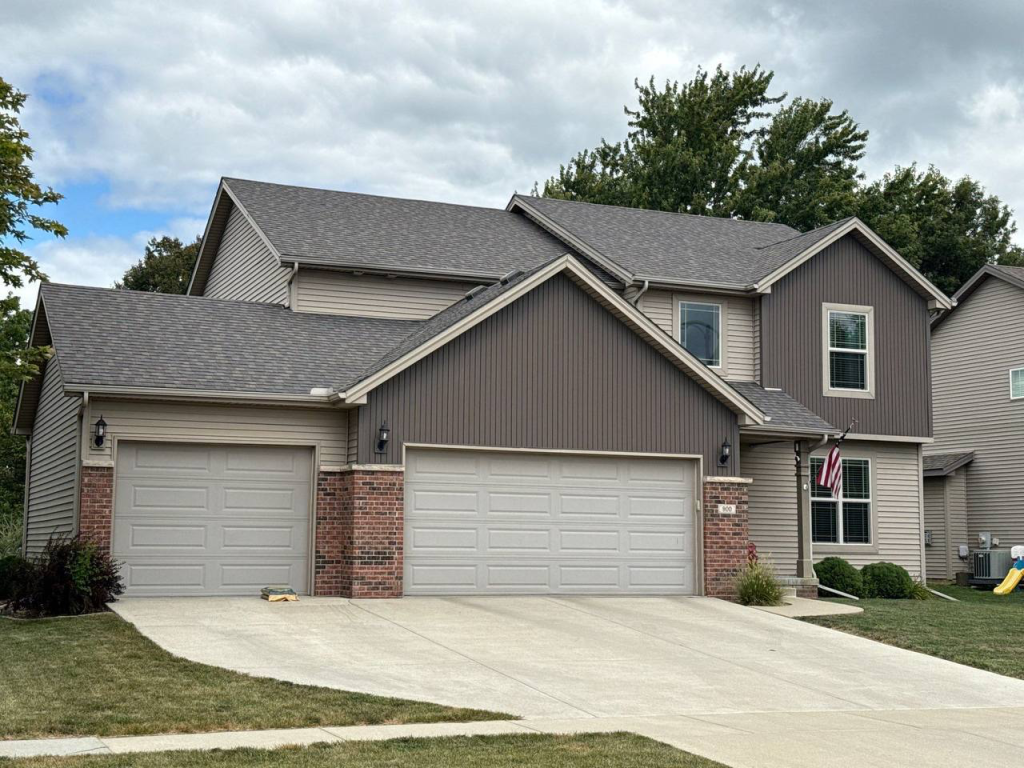
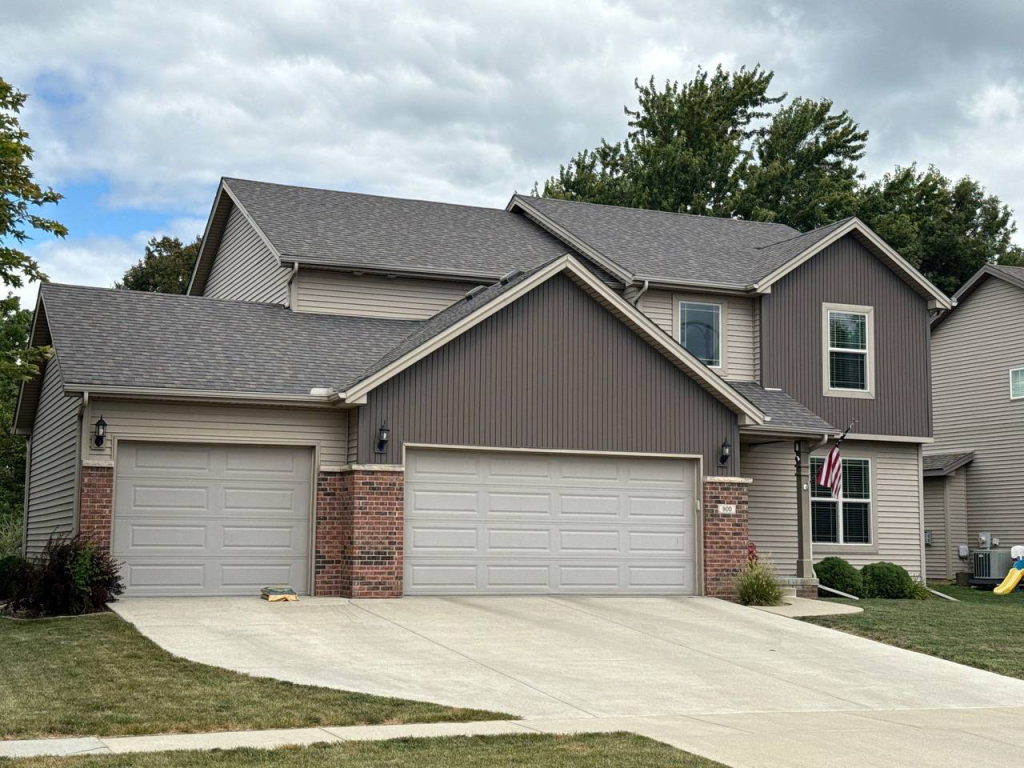
When most homeowners think about protecting their home, the roof comes to mind first. But your siding is working just as hard — every single day. It shields your home from wind-driven rain, freezing temperatures, summer heat, and everything Illinois weather throws at it season after season. It also plays a major role in your home’s energy efficiency, curb appeal, and long-term resale value.
At Cupples Construction, we have helped hundreds of Central Illinois families choose and install siding that performs beautifully for decades. In this complete guide, we will walk you through every major siding material option, compare them honestly across the factors that matter most, and help you understand what the right choice looks like for your specific home and budget.
Why Siding Choice Matters More Than Most Homeowners Realize
Siding is not just an aesthetic decision. The material you choose directly affects:
Energy efficiency — Quality siding with proper insulation backing reduces heat loss in winter and heat gain in summer. In Illinois, where temperatures swing from below zero to over 90°F, this directly impacts your monthly energy bills.
Moisture protection — Illinois receives significant rainfall and experiences freeze-thaw cycles throughout the winter. Siding that allows moisture infiltration leads to rot, mold, and structural damage over time.
Maintenance demands — Some siding materials require repainting, resealing, or regular treatment every few years. Others are virtually maintenance-free for decades. This difference adds up significantly over the life of the product.
Home value — Siding replacement consistently ranks among the highest return-on-investment exterior projects for homeowners. Choosing the right material maximizes that return when it comes time to sell.
Understanding these factors before you choose a material is essential. Let us walk through each major option.
Vinyl Siding
Vinyl siding is the most widely installed siding material in the United States — and for good reason. It offers an excellent combination of affordability, low maintenance, and reasonable durability that makes it the default choice for the majority of Illinois homeowners replacing their exterior.
Advantages of Vinyl Siding
Low maintenance — Vinyl never needs to be painted. It holds its color well for many years and can be cleaned with a garden hose and mild detergent. There is no sealing, staining, or refinishing required.
Affordable upfront cost — Vinyl is one of the most cost-effective siding options available. For budget-conscious homeowners who want a clean, updated exterior without a significant premium, vinyl delivers strong value.
Wide range of styles and colors — Modern vinyl siding is available in dozens of profiles, textures, and color options. Many products convincingly mimic the look of wood without any of the maintenance demands.
Lightweight and easy to install — Vinyl’s lighter weight makes installation faster and more straightforward than heavier materials, which helps keep labor costs reasonable.
Disadvantages of Vinyl Siding
Susceptibility to impact damage — Vinyl can crack or dent from significant impacts — hail, flying debris, or even lawn equipment. In Illinois, where hail is a real seasonal threat, this is worth factoring into your decision.
Color fading over time — While modern vinyl holds color better than older products, it will fade gradually over many years of UV exposure. Once faded, the only remedy is full replacement — vinyl cannot be repainted.
Less premium appearance — For homeowners seeking a high-end or custom exterior aesthetic, vinyl’s appearance has limitations that fiber cement and wood options do not.
Best For
Homeowners looking for a reliable, low-maintenance, cost-effective exterior upgrade. Vinyl is an excellent choice for the majority of Central Illinois homes.
Fiber Cement Siding
Fiber cement siding — most commonly associated with the James Hardie brand — has grown significantly in popularity over the past two decades. It is made from a composite of cement, sand, and cellulose fibers, resulting in a product that is dramatically more durable than vinyl while closely mimicking the appearance of natural wood.
Advantages of Fiber Cement Siding
Exceptional durability — Fiber cement is highly resistant to impact, rot, insects, and fire. It holds up extremely well against hail — a significant advantage in Central Illinois’s climate.
Realistic wood appearance — Fiber cement products like James Hardie’s HardiePlank® are engineered to look remarkably like real wood siding. For homeowners who want the warmth and character of wood without the maintenance demands, fiber cement delivers it convincingly.
Paintable and color-stable — Fiber cement can be painted and repainted, giving homeowners flexibility to change their exterior color over time. Factory-primed and pre-painted options are also available with strong color-retention warranties.
Long lifespan — A properly installed fiber cement siding system can last 30 to 50 years with appropriate maintenance. This is significantly longer than vinyl’s typical lifespan.
Excellent moisture resistance — When properly installed and painted, fiber cement resists moisture infiltration extremely well — an important consideration in Illinois’s wet springs and freeze-thaw winters.
Disadvantages of Fiber Cement Siding
Higher upfront cost — Fiber cement costs more than vinyl both in materials and installation labor. The weight of the product requires more care during installation and typically adds to labor time.
Requires periodic repainting — Unlike vinyl, fiber cement does need to be repainted every 10 to 15 years to maintain its protective finish and appearance. This is an ongoing maintenance cost to plan for.
Heavier material — The weight of fiber cement requires proper structural support and more careful handling during installation.
Best For
Homeowners who want a premium, long-lasting exterior with the look of natural wood and significantly better impact and moisture resistance than vinyl. Fiber cement is an especially strong choice for homes in hail-prone areas of Illinois.
Wood Siding
Genuine wood siding has been used on American homes for centuries — and its natural beauty and character remain unmatched by any manufactured alternative. However, wood siding comes with significant maintenance demands that make it a less practical choice for most modern Illinois homeowners.
Advantages of Wood Siding
Unmatched natural beauty — Real wood siding has a warmth, depth, and character that no manufactured product fully replicates. For historic homes, custom builds, and homeowners who prioritize aesthetics above all else, wood remains the premium option.
Paintable and stainable — Wood accepts paint and stain beautifully, giving homeowners complete flexibility over the final appearance of their exterior.
Environmentally friendly — Wood is a natural, renewable resource. For environmentally conscious homeowners, this is a meaningful consideration.
Disadvantages of Wood Siding
High maintenance requirements — Wood siding requires regular painting or staining — typically every 3 to 7 years depending on exposure conditions. Without consistent maintenance, wood will crack, peel, rot, and deteriorate relatively quickly in Illinois’s climate.
Vulnerability to moisture and insects — Wood is susceptible to rot from sustained moisture exposure and to damage from insects, particularly termites and carpenter ants. Illinois’s humid summers and wet springs create conditions that accelerate these risks.
Higher long-term cost — While the upfront cost of wood varies widely by species and profile, the ongoing maintenance expenses typically make wood more expensive over time than either vinyl or fiber cement.
Best For
Historic homes, custom architectural projects, or homeowners who are committed to the maintenance requirements and genuinely prioritize authentic wood aesthetics over practicality.
Engineered Wood Siding
Engineered wood siding — products like LP SmartSide® — offers a middle ground between real wood and fiber cement. It is manufactured from wood strands bonded together with resins and overlaid with a textured surface, then treated for moisture and pest resistance.
Advantages of Engineered Wood Siding
Realistic wood appearance — Engineered wood closely mimics the look of natural wood siding at a lower cost than genuine wood or fiber cement.
Lighter than fiber cement — Engineered wood is significantly lighter than fiber cement, making installation faster and somewhat less expensive.
Better moisture resistance than real wood — The manufacturing process and treatment make engineered wood considerably more resistant to moisture than untreated natural wood.
Cost-effective — Engineered wood typically falls between vinyl and fiber cement in terms of upfront cost, making it an attractive middle-ground option.
Disadvantages of Engineered Wood Siding
Less durable than fiber cement — While more durable than real wood, engineered wood does not match fiber cement’s longevity or impact resistance.
Requires maintenance — Like real wood, engineered wood products need to be painted and maintained periodically to protect the surface and maintain warranty coverage.
Best For
Homeowners who want the appearance of wood at a more accessible price point than fiber cement, with better durability than genuine wood.
Metal Siding
Metal siding — most commonly steel or aluminum — is a durable, low-maintenance option that has traditionally been associated more with commercial and agricultural applications. However, modern metal siding products have improved significantly in appearance and are now a legitimate residential option for the right home.
Advantages of Metal Siding
Exceptional durability — Metal siding is extremely resistant to fire, insects, and rot. Steel siding in particular is highly impact-resistant — an important consideration in hail-prone Central Illinois.
Very low maintenance — Metal siding does not rot, crack, or need to be repainted as frequently as wood products.
Long lifespan — A quality metal siding installation can last 40 to 60 years with minimal upkeep.
Disadvantages of Metal Siding
Can dent — Aluminum siding dents more easily than steel. Even steel siding can be dented by large hailstones, and dents are not easy to repair invisibly.
Higher cost — Metal siding — particularly steel — is one of the more expensive siding options available.
Limited residential aesthetic options — While improving, metal siding’s appearance options are still more limited than vinyl or fiber cement for residential applications.
Best For
Homeowners prioritizing maximum longevity and fire resistance, or those with contemporary or industrial-style home aesthetics.
Head-to-Head Comparison: Illinois Siding Options
Here is a quick reference comparison across the factors that matter most to Central Illinois homeowners:
Vinyl — Upfront cost: Low | Lifespan: 20–30 years | Maintenance: Very low | Hail resistance: Moderate | Best value for: Budget-conscious homeowners
Fiber Cement — Upfront cost: Medium-High | Lifespan: 30–50 years | Maintenance: Low-Moderate | Hail resistance: Excellent | Best value for: Long-term investment, hail-prone areas
Wood — Upfront cost: Medium-High | Lifespan: 20–40 years | Maintenance: High | Hail resistance: Poor | Best value for: Historic homes, custom aesthetics
Engineered Wood — Upfront cost: Medium | Lifespan: 25–35 years | Maintenance: Moderate | Hail resistance: Good | Best value for: Wood look on a budget
Metal — Upfront cost: High | Lifespan: 40–60 years | Maintenance: Very low | Hail resistance: Very good | Best value for: Maximum durability
What Is the Best Siding Choice for Illinois Homes Specifically?
Illinois presents specific challenges that should weigh heavily in your siding decision:
Hail — Central Illinois experiences meaningful hail events every year. Fiber cement and metal siding offer the best hail resistance. Vinyl, while it holds up to moderate hail, can crack under significant impacts.
Freeze-thaw cycles — Illinois winters put siding through repeated expansion and contraction cycles. Fiber cement and vinyl both handle freeze-thaw well. Wood without consistent maintenance does not.
Humidity and moisture — Illinois summers are humid, and springs are wet. Any siding material needs to be properly installed with appropriate flashing, caulking, and drainage to prevent moisture infiltration — regardless of the material itself.
Storm damage — When severe storms hit, your siding takes a direct hit alongside your roof. Read more about what to do after a storm impacts your home’s exterior: What to Do After a Roof Storm in Illinois
For most Central Illinois homeowners, fiber cement siding is the strongest long-term investment — particularly in hail-prone areas. For budget-conscious homeowners or those planning to sell within 10 years, vinyl remains an excellent, proven choice.
The Role of Professional Installation
No matter which siding material you choose, the quality of the installation is just as important as the material itself. Improperly installed siding — regardless of how premium the product is — will fail prematurely, allow moisture infiltration, and void most manufacturer warranties.
Proper siding installation requires:
- Correct flashing at all windows, doors, and transitions
- Proper overlap and spacing between panels
- Appropriate fastening patterns for wind resistance
- Sealed penetrations at every utility entry point
- Correct starter strip installation at the foundation line
At Cupples Construction, we install every siding job to manufacturer specifications — because doing it right the first time is the only standard we accept.
Siding Installation Services Across Central Illinois
The Cupples family is proud to serve homeowners throughout Central Illinois with professional siding installation and replacement. No matter where you are located across the region — from Bloomington and Normal to Peoria, Champaign, Springfield, and everywhere in between — we bring the same commitment to quality and care to every home we work on.
Visit our Siding page to learn more about our siding services and get started today.
Frequently Asked Questions About Siding in Illinois
Q: How long does a siding installation take? For a typical single-family home in Central Illinois, a full siding replacement usually takes two to five days depending on the size of the home, the material being installed, and the complexity of the exterior. Your contractor should give you a realistic timeline before work begins.
Q: Does new siding help with energy efficiency? Yes — significantly, especially when insulated siding backing is used. Modern insulated vinyl and fiber cement siding products reduce thermal bridging through the wall studs, which can noticeably reduce heating and cooling costs in Illinois’s extreme climate.
Q: Will my homeowner’s insurance cover siding replacement? If the siding damage was caused by a covered peril — such as hail, wind, or storm damage — most homeowner’s insurance policies will cover replacement. Damage from general aging or wear is typically not covered. After any significant storm, document all damage with photos and contact your insurance provider. Read more: Storm Damage Roof Inspection Checklist for Illinois Homeowners
Q: Can I install new siding over my existing siding? In some cases, yes — new siding can be installed over existing siding, which saves the cost of tear-off and disposal. However, this approach is not always recommended. Installing over old siding can hide existing moisture damage, add weight to the structure, and affect the fit of windows and doors. A professional inspection will determine whether this is a viable option for your home.
Q: How do I know when my siding needs to be replaced? Key signs include cracking, warping, or buckling panels; paint that is peeling or fading extensively; mold or mildew growth on the surface; higher than normal energy bills; or visible moisture damage or rot behind panels. If you are seeing multiple signs, a professional assessment is the right next step.
Q: What siding color is best for resale value? Neutral, timeless colors — grays, tans, whites, and soft blues — consistently perform best in the resale market. Bold or highly specific color choices can limit your buyer pool. When in doubt, err toward classic over trendy.
Final Thoughts
Choosing the right siding for your Illinois home is a decision that affects your family’s comfort, your energy bills, and your home’s long-term value for decades. It deserves careful consideration — not a rushed decision based on the lowest bid.
At Cupples Construction, we take the time to understand your home, your budget, and your goals before recommending anything. Because our job is not just to install siding — it is to help your family make the right decision for the long term.
Ready to Upgrade Your Home’s Exterior?
The Cupples family is here to walk you through every option, answer every question honestly, and deliver an installation your family will be proud of for decades to come.