


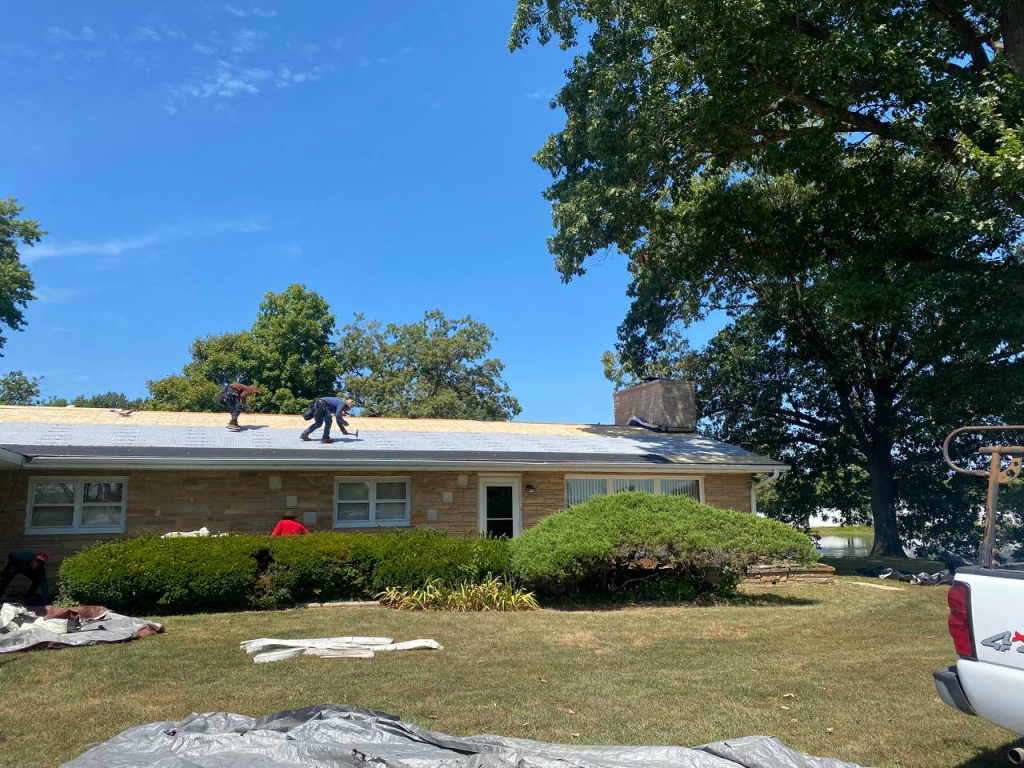
Severe storms are a regular occurrence in Illinois, especially during spring and summer months when strong winds, hail, and heavy rainfall can strike suddenly. These weather events can damage roofing materials and leave homes vulnerable to leaks and structural issues. Even if the damage is not immediately visible, storms can weaken shingles and flashing over time. Roofing professionals such as Cupples Construction regularly help homeowners assess storm-related roof damage and restore roofing systems before problems worsen.
Knowing what steps to take after a storm can help protect your home and prevent expensive repairs.
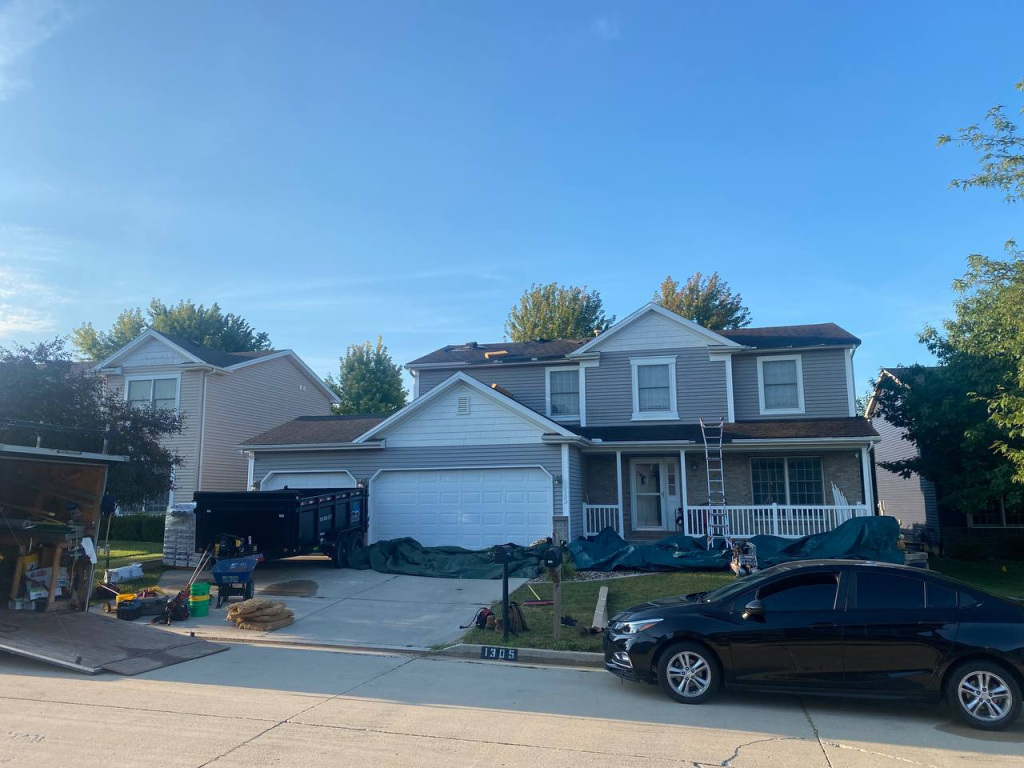
Step 1: Ensure Safety Before Inspecting Your Roof
After a storm passes, the first priority should always be safety. Avoid climbing onto the roof immediately after severe weather because surfaces may be slippery or unstable.
Instead, begin by inspecting your property from the ground.
Look for:
fallen tree branches
loose shingles on the ground
debris on the roof
damaged gutters or flashing
If you want a deeper understanding of how inspections work, review Complete Guide to Roof Inspections in Illinois to learn how roofing professionals evaluate roof conditions.
Step 2: Look for Visible Signs of Storm Damage
Storm damage may appear in several ways depending on the type of weather event.
Common signs include:
missing or lifted shingles
dented flashing or roof vents
debris impact marks
granules accumulating in gutters
These signs often indicate that the roofing system has been compromised.
For example, hailstorms can leave circular dents or remove protective granules from shingles. To learn more about identifying these problems, read How to Spot Hail Damage on Your Roof.
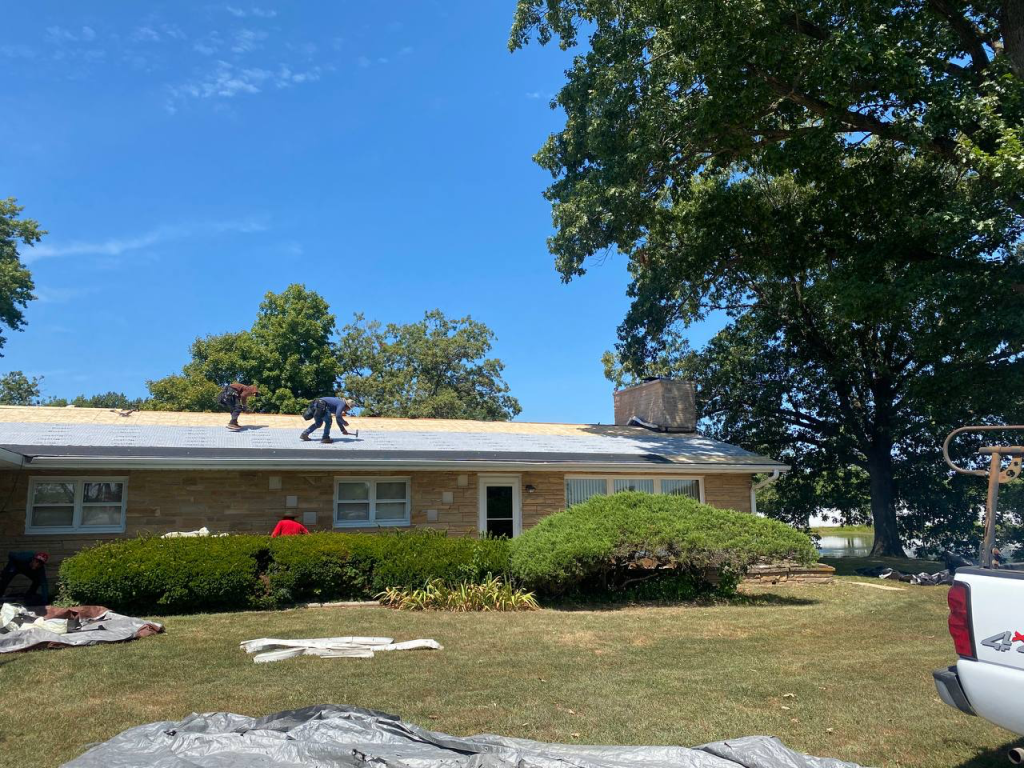
Step 3: Check Your Attic for Water Intrusion
Even if exterior damage is not immediately visible, storms may still cause water to penetrate the roofing system.
Inspect your attic for:
water stains on wooden rafters
damp insulation
dripping moisture
mold growth
Moisture inside the attic is often one of the earliest indicators of a roof leak.
Addressing these issues quickly can prevent structural damage to the roof deck and interior ceilings.
Step 4: Document Any Roof Damage
If you notice visible storm damage, document it carefully.
Take clear photos of:
damaged shingles
dented flashing
fallen debris
clogged gutters
These photos may be useful when filing insurance claims or scheduling professional roof repairs.
Homeowners who want expert assistance inspecting storm damage can Check our Roofing Services to explore professional roofing inspection and repair solutions.
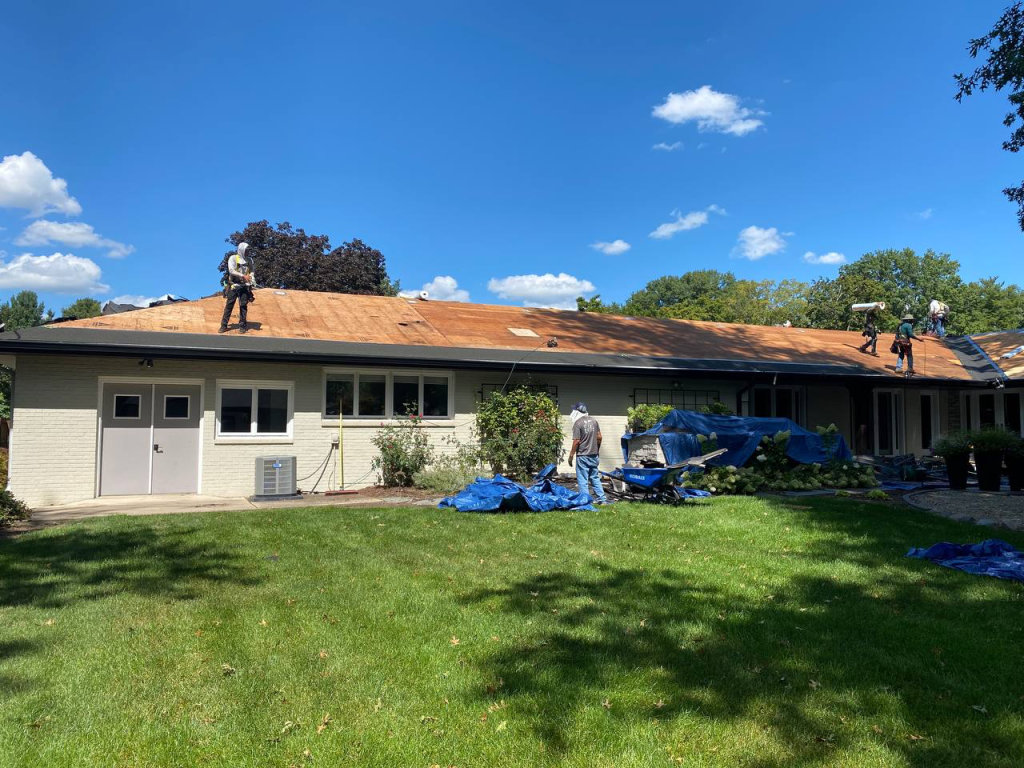
Step 5: Schedule a Professional Roof Inspection
Although visual inspections are helpful, professional inspections are essential for identifying hidden damage.
Roofing specialists examine several structural components including:
shingles and flashing
roof decking
attic ventilation
drainage systems
These inspections help determine whether the roof requires repairs or replacement.
Prompt inspections after storms help prevent minor damage from developing into expensive structural problems.
Preventing Future Storm Damage
While storms cannot be avoided, homeowners can take several preventative steps to reduce potential roof damage.
Helpful preventative measures include:
scheduling annual roof inspections
trimming tree branches near the roof
maintaining clean gutters
repairing small roofing issues quickly
Routine maintenance significantly increases roof durability during severe weather.
Conclusion
Storm damage can compromise the integrity of your roof and lead to costly structural repairs if it is not addressed quickly. Identifying damage early and scheduling a professional inspection can help prevent leaks and protect your home from long-term issues.
By taking proactive steps after severe weather, homeowners can maintain the durability and lifespan of their roofing systems.
If your home recently experienced severe weather and you suspect roof damage, Contact Us to schedule a professional inspection with experienced roofing specialists.