


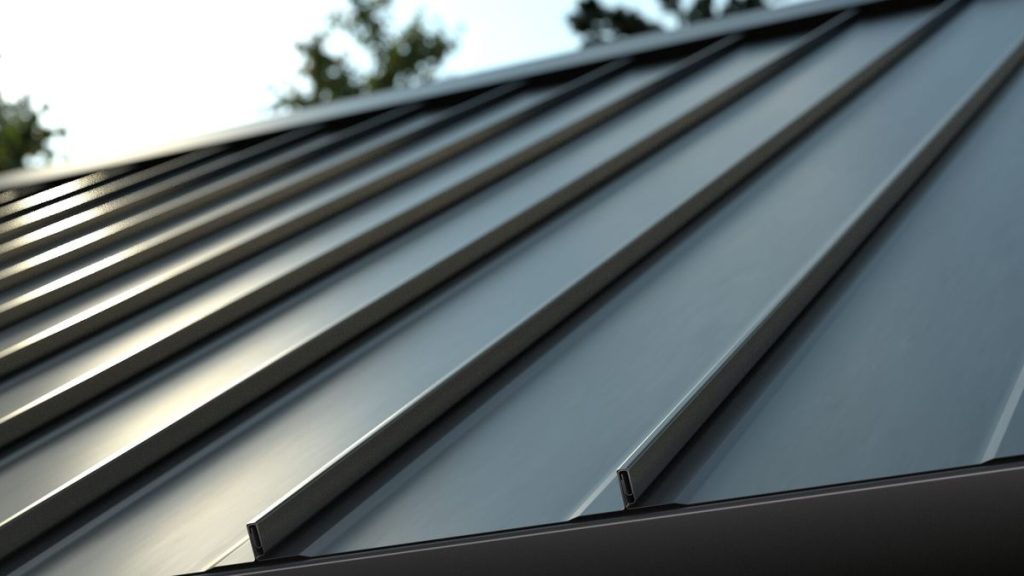
Metal roofing is an increasingly popular choice for homeowners seeking durable, energy-efficient, and long-lasting roofing solutions. Its versatility, strength, and modern design options make it suitable for a variety of residential and commercial properties. For an overview of roofing materials and construction guidance, homeowners can reference Cupples Construction.
What is Metal Roofing?
Metal roofing refers to roofing systems made from various metals, including steel, aluminum, copper, and zinc. These roofs can be installed as panels or shingles and are designed to withstand extreme weather conditions, resist corrosion, and provide superior longevity compared to traditional roofing materials.
Benefits of Metal Roofing
Metal roofing offers several advantages for homeowners:
Durability: Resistant to wind, fire, and impact damage
Longevity: Can last 40–70 years depending on material and maintenance
Energy Efficiency: Reflects solar radiant heat, reducing cooling costs
Low Maintenance: Requires less frequent repairs than traditional shingle roofs
Sustainability: Often made from recycled materials and fully recyclable at the end of its lifespan
These benefits make metal roofing an attractive option for those looking to combine functionality with modern design.
Types of Metal Roofing
Homeowners can choose from various metal roofing options based on aesthetics, budget, and performance needs:
Standing Seam Metal Roofs: Raised seams provide a sleek, modern look and excellent water resistance
Metal Shingles or Tiles: Mimic traditional shingle or tile styles while offering enhanced durability
Corrugated Metal Panels: Economical and strong, commonly used for both residential and industrial buildings
For more detailed information on these options, see Roofing Services.
Installation and Maintenance Considerations
Proper installation is crucial to ensure the performance and longevity of metal roofing. Key factors include:
Using compatible underlayment and fasteners
Ensuring proper ventilation to prevent condensation
Checking for expansion and contraction allowances
Regular inspections to identify loose panels, rust, or minor damage
For authoritative guidance on metal roofing systems, material selection, and best practices, homeowners can refer to the Metal Roofing Alliance’s Homeowner Guide, which provides detailed information on installation, maintenance, and performance.
Longevity and Cost Considerations
Metal roofs typically require a higher initial investment compared to asphalt shingles, but their long lifespan and minimal maintenance needs often offset upfront costs. Additionally, energy-efficient metal roofs can reduce utility expenses over time.
Conclusion
Metal roofing provides a durable, energy-efficient, and aesthetically versatile option for modern homes. Understanding the types of metal roofs, installation requirements, and long-term maintenance needs is essential for homeowners evaluating roofing options.
For additional information or to access further resources, homeowners can explore Cupples Construction or reach out via the Contact Us page.