service location
Gutter Contractor in Peoria, IL
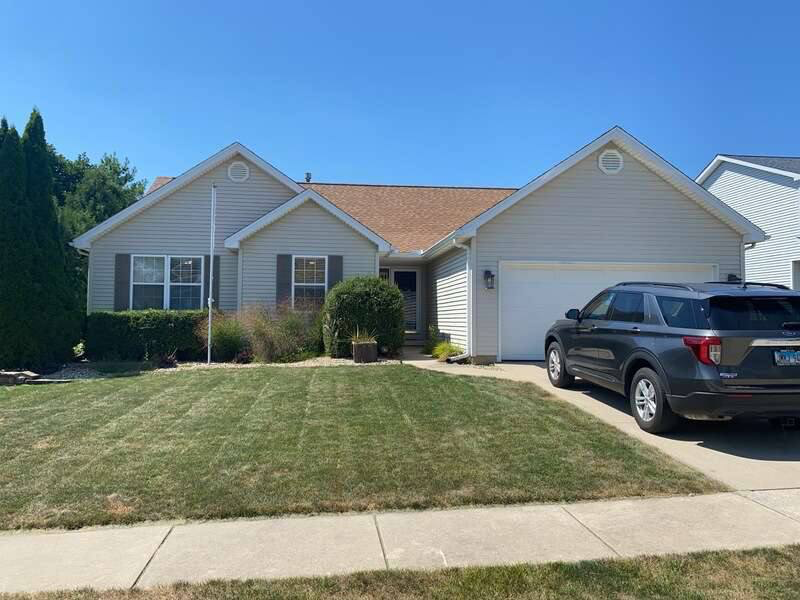
Peoria is one of the few central Illinois cities where the same rainstorm produces meaningfully different drainage problems on different homes — sometimes on homes only a few miles apart. The bluff above the Illinois River sheds water fast and steep. The valleys and lower neighborhoods catch what runs down. Hilltop homes and homes on grade-level lots in West Peoria, Junction City, or Dunlap are working with completely different drainage realities than homes near the river or in low-lying pockets across the city. Gutters that work fine on flat terrain in central Illinois can be undersized, badly pitched, or wrongly drained on Peoria’s slopes.
Cupples Construction has been working gutter installations across central Illinois for years, and Peoria is the city where we have the most “the standard sizing won’t work here” conversations. The geography forces a closer look. That’s not a complaint — it’s the right way to do gutter work on terrain that’s actually doing something.
Bluff and Valley Drainage in Peoria
Most central Illinois cities sit on roughly flat terrain. Drainage concerns are about getting water away from the foundation. Peoria adds a second concern: where the water goes after it leaves the downspout, and what happens to it on the way there.
A bluff-top home in West Peoria with a steep backyard slope has different downspout extension requirements than a grade-level home in a Dunlap subdivision. Water leaving the downspout has to be directed away from the slope itself, not just away from the foundation, because erosion on a steep yard creates its own problems separate from gutter performance. Splash blocks that work on flat lots can wash out in a single storm on a slope. Underground extensions are sometimes the right call.
A valley or lower-grade home has a different set of problems. Water from neighboring properties may already be pooling around the foundation before the gutter system gets involved. Downspout placement that works for the home’s own roof runoff can dump into an area that’s already saturated. Sizing the gutter correctly is only part of the work — directing the discharge to a place that can actually handle it is the rest.
Bluff-edge homes overlooking the river have a third condition: wind-driven rain that comes in at angles steady-state gutter sizing doesn’t account for. The same 2-inch rain event behaves differently when it’s hitting a wall at an angle than when it’s falling straight down. We’ve sized gutters on bluff homes that needed an upsize purely because of wind exposure on the river-facing side.
Gutter Work in Peoria
Seamless Aluminum Installation
Modern Peoria homes generally get seamless aluminum K-style, run on-site from a coil, sized to the roof. Where Peoria’s installation differs from flatter cities is in how often we choose 6-inch over 5-inch. Steep roof pitch is more common on bluff homes built to take advantage of views, and steep pitch combined with longer run lengths feeding fewer outlets is exactly the geometry that justifies upsizing. We don’t push 6-inch as a default — but we don’t default to 5-inch either when the roof argues otherwise.
Repair and Cleaning
Peoria gutters fail in patterns that flatter-city gutters don’t. Sagging from heavy debris loading on tree-canopy lots is universal, but pulled hangers from ice and runoff weight on steep-pitch homes is a specifically Peoria-frequent problem. Downspout damage from yard equipment on slope-side runs is another. We diagnose the actual failure rather than treating every old gutter as a replacement candidate. Cleaning intervals vary by neighborhood — heavily wooded older areas like West Bluff need at least twice-a-year service, while more open subdivisions out toward Dunlap can often go annual.
Gutter Guards
Guard selection matters more on bluff and slope homes because access for cleaning is harder. A two-story home on a steep backyard slope is genuinely difficult to clean from a ladder safely. Guards that reduce cleaning frequency from twice a year to once every two or three years are more valuable on those homes than on a single-story ranch on flat ground. We talk through guard options based on access, tree exposure, and roof pitch.
For more on the full gutter service range, see our main gutter services page.
Peoria Gutter Sizing by Terrain
Sizing decisions in Peoria split along three rough categories.
Hilltop and Bluff-Top Homes
Steep pitch, often longer roof runs, frequent wind-driven rain exposure on at least one side. These homes often justify 6-inch K-style with 3×4 downspouts. Downspout extensions need to direct water well clear of any slope to prevent erosion. On the river-facing side of bluff homes, we size up by one increment to account for wind exposure adding effective rainfall.
Valley and Lower-Grade Homes
Standard sizing is often fine on the gutter itself, but discharge planning matters more. If neighboring properties drain toward the home, even a perfectly sized gutter system can’t fix what’s coming in from the surrounding grade. We work with homeowners on whether downspouts should tie into a yard drainage solution rather than just discharging to splash blocks. That’s sometimes a conversation that goes beyond gutter work and into broader drainage planning.
Mid-Slope and Grade-Level Homes
Most Peoria homes fall somewhere in the middle. Standard 5-inch is fine for many, 6-inch makes sense for larger or steeper-pitched homes. Discharge management is straightforward when the yard slopes naturally away from the foundation.
Materials and Specifications
Aluminum is standard. Copper is occasionally specified on architectural homes overlooking the river or in older areas with historic character. Steel sees occasional use on commercial work. .032-gauge aluminum is the more durable choice for longer runs, and it’s what we recommend on bluff homes where the gutter is doing more work per linear foot than it would on flat terrain. Hanger spacing on steep-pitch homes is tighter than on flat-pitch homes — the gutter is fighting more weight from snow and ice loading, and undersized hanger spacing is a common reason older Peoria gutters pull away from the fascia.
How gutter design choices affect long-term performance is something we cover in how design choices impact energy bills for decades — gutters and roof drainage choices made at install affect water management for the life of the system, not just the first season.
When severe weather hits Peoria — and storms moving up the river valley can be intense — gutters often fail in the same event that damages the roof. The storm damage inspection checklist is a good document-it-first reference before any contractor walks the property.
Recent Projects in Peoria
Project photo placeholder. Caption template for when photos are added: “6-inch seamless aluminum gutter replacement on a [neighborhood] Peoria bluff home — 3×4 downspouts with extended underground discharge to manage slope erosion.”
Neighborhoods We Serve in Peoria
We work across Peoria and the immediate surrounding area: West Peoria, the West Bluff, North Peoria neighborhoods up toward War Memorial Drive, the Knolls and Sheridan Heights, Junction City and the surrounding corridors, and out toward Dunlap and the newer developments north and west. East Peoria and Pekin are accessible on the same dispatch range. Older neighborhoods near downtown and along the bluff face have more of the historic and slope-specific gutter conversations. Newer subdivisions to the north and west are mostly modern K-style territory with simpler grade-level discharge.
Why Cupples for Gutters in Peoria
- Sizing decisions made by terrain, not by default
- Bluff and slope drainage treated as a real engineering question, not a copy-paste install
- Honest about when discharge planning goes beyond gutters into broader yard drainage
- Tighter hanger spacing standard on steep-pitch and high-load homes
- Repair-first approach when the gutter’s failure pattern points to a fix rather than replacement
- Family-owned with experience across central Illinois geography
Peoria’s terrain doesn’t let you size gutters by habit. Every house tells you something different, and the gutter has to listen.
FAQs
My neighbor and I have basically the same house, but their gutters never overflow and ours do. Why?
Most often it’s a sizing or pitch difference that isn’t obvious from the street. If the homes are on different points of the same slope, the wind exposure can also be meaningfully different — bluff-edge or river-facing sides take more rain than sheltered sides during the same storm. Sometimes it’s also downspout count: two homes that look identical can have very different outlet placement, and that changes how much each section of gutter has to handle.
Do I really need 6-inch gutters?
It depends on roof pitch, square footage feeding each run, and your home’s exposure. Many Peoria homes do fine with 5-inch. Steep-pitch homes on the bluff, homes with long single runs, and homes facing wind-driven rain across the river often justify the upsize. We measure before recommending — the answer isn’t the same on every block.
What about underground downspout extensions?
On slope homes, they’re often the right call. Splash blocks at the base of a downspout can wash out in a single heavy storm when the surrounding yard is steep. Underground extensions carry water 10-20 feet out before discharging, which protects both the foundation and the slope itself. We coordinate this work with broader yard drainage when it makes sense.
Do you handle commercial gutter work in Peoria?
Yes. Older commercial buildings downtown often have built-in or internal drainage systems that are specialized work — that falls under our commercial services along with larger-capacity systems on warehouse and retail properties.
Beyond Peoria
Normal gutter installation operates on flat terrain, which makes for simpler sizing math but means homeowners moving from Normal to Peoria sometimes assume their old gutter spec will work on the new house — it often doesn’t. Bloomington gutter work shares the housing-age diversity but not the geography, so historic-versus-modern is the primary divide there rather than terrain. Springfield gutter service deals with historic preservation gutter work in the capital district that overlaps with what some older Peoria homes need, even though the terrain is different.
If your Peoria home needs roofing or siding alongside gutter work, our Peoria roofing page covers the geographic exposure on the roof itself, and our Peoria siding page covers the vertical-surface side of weather exposure.
Ready to Talk Gutters?
If you live on a slope or near the bluff, tell us where the water is going wrong — overflowing at corners, washing out splash blocks, eroding mulch beds, pooling in the wrong places. Photos help, especially if you can grab a few during or right after a storm. If you’re on flat ground in a newer subdivision, the conversation is simpler: rough age of the home, what the gutters are doing now, and we can usually have a measurement scheduled within a few days. Contact us and we’ll work through what your specific terrain needs.
Other Services
Ready to Talk About Your Home?
Give us a call - no pressure, just friendly neighbors ready to help with your home

- 309-826-4377
- brian@cupplesconstruction.com
- Normal, IL
What Makes Us Different
- Faith-Based Family Business
- Licensed & Insured
- GAF Master Elite
- Veteran Family Owned
Tennessee Friends
Some services available - just ask!
Where We Help Families
Central Illinois:
Business Hours
Days Open
Monday - Friday [ 8:00 AM - 5:00 PM ]
Saturday [ 8:00 AM - 4:00 PM ]
Sunday [ Emergency Only ]