


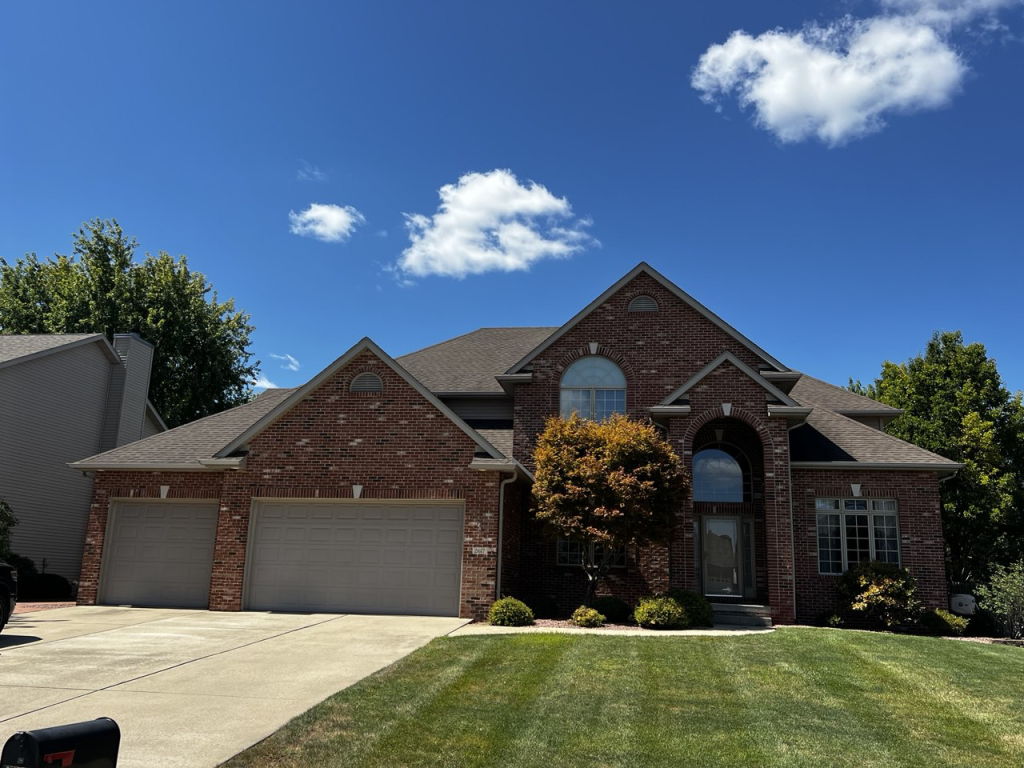
Your roof is one of the hardest-working parts of your home, quietly protecting everything beneath it through scorching summers, freezing winters, and the storms Central Illinois is known for. So it’s only natural to wonder: how many years do you actually have before it needs replacing?
The honest answer is that roof lifespan depends on a handful of factors — the material, the quality of the installation, how well it’s maintained, and the climate it has to endure. A roof in Illinois faces a tougher set of conditions than one in a mild climate, and that affects how long it lasts. In this guide, Cupples Construction breaks down the realistic lifespan of every common roofing material in our region, the local factors that shorten it, and how to know when yours is nearing the end.
How Long Does a Roof Last in Illinois on Average?
For most Central Illinois homes, a standard asphalt shingle roof lasts 20 to 30 years. But “average” hides a lot of variation, because the material you choose makes an enormous difference — some roofs are built to last a couple of decades, while others can protect a home for half a century or more.
Here’s how the common roofing materials compare in terms of typical lifespan in our climate:
- 3-tab asphalt shingles: 15 to 20 years
- Architectural (dimensional) asphalt shingles: 25 to 30 years
- Class 4 impact-resistant shingles: 25 to 30+ years, with better storm resilience
- Metal roofing: 40 to 50 years or more
- Wood shakes: 20 to 30 years (with diligent maintenance)
- Slate or tile: 50 to 100 years (rare in the region, but exceptionally durable)
These are realistic ranges for Illinois, not best-case lab numbers. Whether your roof lands at the low or high end of its range comes down to the factors we’ll cover next.
The Climate Factors That Shorten Roof Lifespan in Illinois
Central Illinois weather is genuinely hard on roofs. Understanding why helps explain why a roof here may not last as long as the same roof in a gentler climate.
Freeze-Thaw Cycles
Our winters bring repeated freezing and thawing. Water seeps into small cracks, freezes, expands, and widens them — then thaws and repeats. Over years, this freeze-thaw cycle steadily degrades shingles, flashing, and sealant. It’s one of the most underestimated forces working against an Illinois roof.
Hail and Severe Storms
Central Illinois sits in a region that sees frequent hail and severe thunderstorms. Hail can bruise or crack shingles, knock away protective granules, and create entry points for water — sometimes shortening a roof’s life by years in a single storm. This is exactly why Class 4 impact-resistant shingles are worth serious consideration here; they’re built to withstand the impacts that age ordinary shingles prematurely.
High Winds
Strong winds lift and loosen shingles, break their seals, and tear away material over time. Even when damage isn’t dramatic, repeated wind exposure gradually compromises the roof’s integrity.
Heavy Snow and Ice Dams
Snow load stresses the roof structure, and ice dams — ridges of ice that form at the eaves as melting snow refreezes — force water back under the shingles. Both accelerate wear and can cause leaks well before a roof’s expected end of life.
Temperature Swings and Sun Exposure
Illinois roofs bake in summer heat and contract in winter cold, sometimes within the same week. This constant expansion and contraction fatigues roofing materials, while year-round UV exposure dries out and embrittles shingles over time.
The Factors You Control: Installation, Ventilation, and Maintenance
Climate is out of your hands, but three things that strongly affect lifespan are not — and they often matter more than the weather.
Installation Quality
This is the single biggest controllable factor. A premium roof installed poorly will fail years early, while a quality installation can help a roof reach the top of its lifespan range. Cut corners — improper nailing, skipped underlayment, poor flashing — and you’ve shortened the life of the roof before the first storm even hits. We explain this in depth in our look at why “good enough” roofing installations fail prematurely.
Attic Ventilation
Proper ventilation is one of the most overlooked keys to roof longevity. Without it, attic heat and trapped moisture cook shingles from below and promote rot in the decking — quietly stealing years from your roof. Our guide on how roof ventilation mistakes shorten shingle lifespan explains just how much difference this makes.
Routine Maintenance
A roof that’s inspected regularly, kept clear of debris, and repaired promptly will outlast a neglected one every time. Small problems caught early — a lifted shingle, a bit of failed sealant — don’t get the chance to become the kind of hidden damage that ends a roof prematurely, like the issues described in our article on the silent roof failures that don’t leak until it’s too late.
Signs Your Roof Is Nearing the End of Its Life
Age alone isn’t the only indicator. Watch for these warning signs that your roof may be approaching replacement:
- Shingles that are curling, cracking, buckling, or missing
- Granules collecting in your gutters (a sign shingles are wearing out)
- Daylight visible through the roof boards in your attic
- Sagging areas or soft spots in the roof deck
- Recurring leaks or water stains on ceilings
- A roof that’s simply at or past its expected age range
If you’re seeing several of these, it’s worth a closer look. Our guide on the signs you need roof repair before it starts leaking helps you tell the difference between a roof that needs a repair and one nearing the end of the road.
Should You Repair or Replace an Aging Roof?
When a roof shows its age, the question becomes whether to keep repairing it or invest in a replacement. A roof with isolated damage and years of life left is usually worth repairing; one that’s near the end of its lifespan with widespread wear is often better replaced, since ongoing repairs become money poured into a losing battle.
Our detailed comparison of roof repair vs. roof replacement for Illinois homes walks through how to make that call. And if replacement is on the table, you can explore our full range of roofing services across Central Illinois to see how we handle everything from targeted repairs to full replacements.
How a GAF Master Elite Contractor Helps Your Roof Last Longer
The contractor you choose directly affects how long your roof lasts. As a GAF Master Elite contractor — a credential held by only the top 2% of roofers nationwide — Cupples Construction installs to the standards that help a roof reach the upper end of its lifespan, and can offer enhanced manufacturer warranties most contractors can’t match. Quality installation isn’t just about the first day; it’s about all the years that follow.
Frequently Asked Questions About Roof Lifespan in Illinois
How long does an asphalt shingle roof last in Illinois? Architectural asphalt shingles typically last 25 to 30 years in Central Illinois, while older 3-tab shingles last about 15 to 20 years. Climate, installation quality, ventilation, and maintenance all influence where your roof falls in that range.
How long does a metal roof last in Illinois? A quality metal roof commonly lasts 40 to 50 years or more, often outlasting two or three asphalt roofs over the same period. Its durability makes it well-suited to Illinois weather extremes.
Does Illinois weather shorten roof lifespan? Yes. Freeze-thaw cycles, hail, high winds, heavy snow, and large temperature swings all put extra stress on roofs here, which can shorten their lifespan compared to milder climates — especially without proper installation and maintenance.
How do I know if my roof needs to be replaced? Common signs include curling or missing shingles, granules in the gutters, sagging areas, recurring leaks, and a roof at or past its expected age. If you’re seeing several of these, a professional inspection can confirm whether repair or replacement is the right move.
Can I make my roof last longer? Yes. Quality installation, proper attic ventilation, regular inspections, prompt repairs, and keeping the roof clear of debris all help a roof reach the top of its lifespan range rather than failing early.
How often should I have my roof inspected in Illinois? At least once a year, and after any major storm. Regular inspections catch small problems before they shorten your roof’s life or turn into expensive damage.
Get a Professional Roof Assessment in Central Illinois
Knowing how long your roof should last is one thing; knowing how much life yours actually has left is another — and that takes a trained eye. As a family-owned, GAF Master Elite contractor serving Normal, Bloomington, Peoria, Champaign, Springfield, Decatur, Urbana, Effingham, and the surrounding Central Illinois communities, Cupples Construction can tell you honestly where your roof stands and whether it needs maintenance, repair, or replacement.
If you’re wondering how much longer your roof will hold up, reach out through our contact page for a free inspection and a straight answer about its condition.