service location
Commercial Roofing Contractor in Decatur, IL
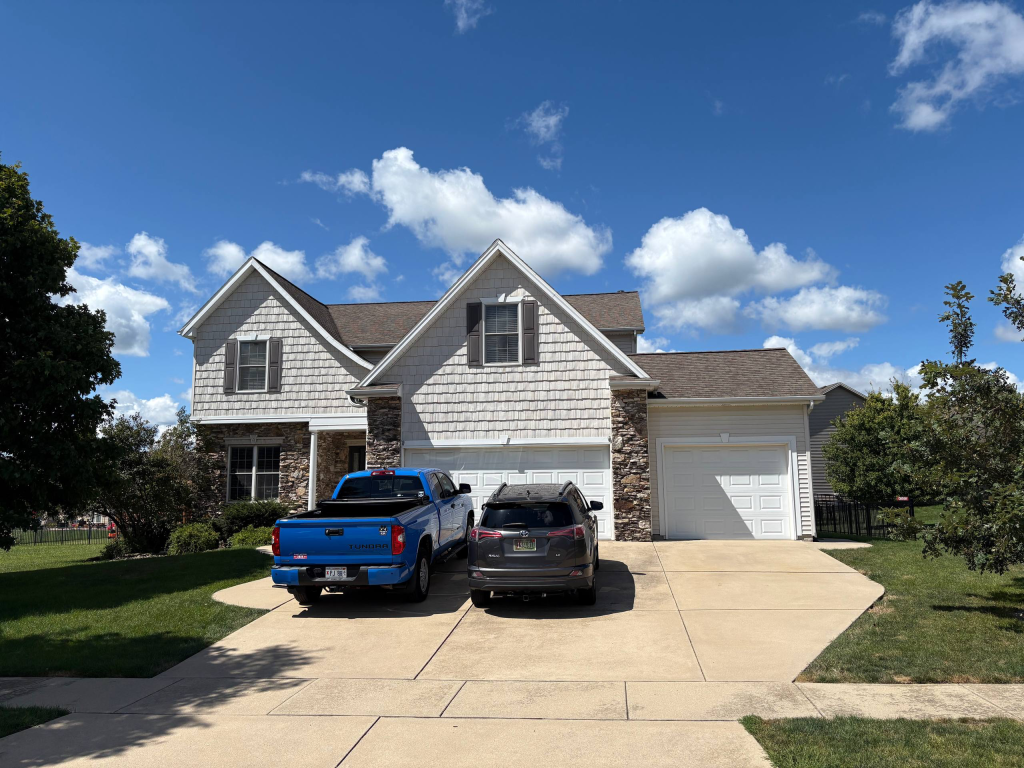
Decatur is the heaviest industrial commercial market in Central Illinois. Archer Daniels Midland’s headquarters and processing operations, the broader agricultural processing base that grew up around ADM, the rail and logistics infrastructure supporting that processing economy, and the supporting industrial commercial property together represent a category of commercial work where building scale, system complexity, and operational continuity considerations exceed what’s typical in any other regional commercial market. Around that industrial core sits a downtown commercial district, retail and corridor commercial along the major arteries, and a smaller-scale commercial property base supporting the city’s residential neighborhoods.
Heavy industrial and agricultural processing commercial work isn’t interchangeable with conventional commercial roofing. The buildings are larger. The roof systems carry process exhaust, equipment penetrations, and environmental exposures that retail and office commercial don’t. Production and processing schedules drive project access in ways that retail and office occupancy don’t. Documentation and safety standards run high — both for industrial-property procurement reviews and for the broader regulatory environment that food and agricultural processing operates under. Cupples Construction brings the system range, operational discipline, and scale capability that defines commercial work in this market.
This page sits under our main commercial services page, which covers the broader Central Illinois scope.
Commercial Services in Decatur
Decatur commercial work covers four primary categories, each with industrial and ag-processing scope considerations on top of the standard commercial work expectations.
Industrial and Heavy Commercial Roofing
Industrial commercial roofing in Decatur runs heavy on systems built for scale and exposure. Single-ply membrane (TPO and EPDM) on large-span flat roofs is the dominant specification on newer industrial buildings. Modified bitumen and built-up roofing remain in service on older industrial property where system replacement cycles haven’t yet reached their endpoint. Metal roofing is common on warehouse, manufacturing, and ag-processing buildings — particularly on structures built for production rather than office use. Roof system selection on industrial property weighs differently than on conventional commercial: lifecycle cost, maintenance access, exhaust and process penetration integrity, and serviceability under continuous production schedules all matter more than they would on a retail or office building.
The article on why “good enough” installations fail prematurely is particularly relevant on industrial commercial work in Decatur, where the cost of a midlife installation failure on a large-span industrial roof — measured in production disruption, interior process damage, and emergency response logistics — far exceeds the cost difference between adequate and excellent installation discipline at the time of the original work.
We handle full system replacements, recoveries where the existing system is structurally serviceable, partial replacements on multi-section industrial roofs, and ongoing repair and maintenance work across the system range.
Industrial Commercial Siding and Envelope
Commercial siding scope on Decatur industrial property includes metal panel work on warehouse and manufacturing buildings, EIFS and insulated metal panel on newer industrial construction, and selective siding repair work on older industrial buildings where envelope integrity issues have developed. On ag-processing facilities, siding considerations include resistance to grain dust, particulate exposure, and environmental conditions that conventional commercial siding doesn’t face. We scope industrial commercial siding standalone or coordinated with roof and envelope work where the project warrants it.
Industrial Drainage and Specialty Systems
Industrial commercial drainage in Decatur covers internal roof drains, scuppers and overflow systems on flat-roof industrial buildings, and exterior drainage systems on buildings with steep-slope sections. Drainage failures on large-span industrial roofs cost more than on conventional commercial — a single blocked internal drain on a 50,000-square-foot industrial roof can pond water across thousands of square feet, adding structural load on a roof system carrying production equipment, and creating interior water intrusion that disrupts processing or warehouse operations. Maintenance contract clients have drainage cleared as scheduled work; emergency drainage response on industrial property is handled within hours.
Specialty Industrial Roofing Systems
This category covers the system-specific work that’s unique to industrial commercial. Modified bitumen recovery on older ag-processing facilities. Metal roofing on warehouse and manufacturing structures. Process-penetration flashing and reflashing where exhaust, ventilation, or process equipment penetrates the roof system. Insulation upgrades on industrial buildings where the original spec doesn’t meet current operational or regulatory expectations. The blog post on silent roof failures that don’t leak until it’s too late is particularly relevant to large-span industrial roof systems, where insulation saturation and deck deterioration progress invisibly across vast roof areas before producing the kind of failure that’s visible from inside the building.
For property owners with both commercial and residential roofing needs in the Decatur market, our Decatur roofing page covers the residential side.
Decatur’s Commercial Property Mix
Heavy Industrial and Agricultural Processing
ADM’s headquarters and processing operations represent the most visible industrial commercial property in Decatur, but the broader heavy industrial and ag-processing base extends well beyond ADM — supporting industrial property, distribution and rail logistics infrastructure, and the secondary commercial property serving the industrial economy. Roof systems on heavy industrial property run large-span — single buildings can carry roof areas measured in hundreds of thousands of square feet, with system selection driven by lifecycle cost, maintenance access, and serviceability under production schedules. Documentation standards on industrial property procurement run high. Safety planning, OSHA compliance, and regulatory expectations on food and agricultural processing operations affect how the work gets scoped and executed.
Manufacturing and Distribution Industrial
Beyond the heavy industrial and ag-processing tier, Decatur’s commercial property base includes a substantial manufacturing and distribution industrial corridor. Roof systems on this tier are typically single-ply membrane on flat sections and metal roofing on warehouse and manufacturing buildings. Production and distribution scheduling drives project access — most major industrial roofing in this corridor is scheduled around shutdown windows, weekend work, or off-shift access.
Downtown Decatur and Retail Commercial
Downtown Decatur’s commercial buildings include older modified bitumen and built-up roofing systems on historic commercial buildings, with single-ply membrane on more recent construction. Retail and corridor commercial along Pershing Road, on the south side, and out along the major arteries runs on a more conventional commercial property profile — strip retail, restaurants, professional offices, auto service, and small multi-tenant commercial. Procurement timelines and decision-making on this tier run closer to small commercial than to industrial commercial.
Working Around Industrial Operations
Industrial commercial roofing in Decatur — particularly on ag-processing, manufacturing, and distribution property — depends on operational coordination at a level that conventional commercial work doesn’t require. Production and processing schedules don’t pause for roof projects. Loading dock access, rail access, equipment relocation, and rooftop unit coordination with HVAC and process equipment all factor into project scheduling. Most major industrial roof work clusters into planned shutdown windows or off-shift access periods, with section-by-section scoping where the building can keep operating under unaffected sections.
Safety planning is more involved than on conventional commercial. Industrial property procurement reviews expect documented safety plans, OSHA compliance documentation, and project-specific safety protocols that account for the production environment the work is happening alongside. Material handling on ag-processing facilities accounts for grain dust, particulate exposure, and environmental conditions that affect both crew safety and material protection.
We approach industrial commercial work with that operational coordination built into how the project gets scoped and scheduled — not as accommodations made after the fact. Property managers and facilities directors evaluating industrial roofing bids should expect proposals to address operational coordination directly. If a proposal doesn’t address production scheduling, equipment coordination, and safety planning specifically, the bid is incomplete.
Maintenance Contracts for Decatur Commercial Properties
Maintenance contract coverage matters more on industrial and ag-processing commercial than on conventional commercial. Large-span industrial roofs carry maintenance demands — drainage clearing, membrane and seam evaluation across vast roof areas, process-penetration flashing condition assessment, and documented condition reporting that supports facilities capital planning across multi-year cycles — that don’t exist on conventional commercial. A typical industrial property maintenance contract includes biannual inspections (often scheduled in batches across a multi-building industrial site), drainage clearing scheduled around production windows, and detailed condition reporting formatted for facilities planning use.
Contract clients receive priority emergency response, which on an industrial property carrying production operations can mean the difference between a containable repair and a production-disrupting interior water intrusion event. We coordinate maintenance contract terms across multi-property holdings, including portfolios that may extend to Springfield, Bloomington, or Champaign — single-contract structure, consistent documentation, and unified scheduling.
Recent Commercial Projects in Decatur
Project photo placeholder. Caption template for actual project photos: “Commercial [system type] project at [property type] in Decatur, Illinois. Cupples Construction crew completed [scope summary] in [duration].”
Why Cupples for Commercial Work in Decatur
Industrial-scale capability — the system range, scheduling discipline, and safety planning standards required on heavy industrial and ag-processing commercial work. Documentation standards that meet industrial property procurement and food and agricultural processing regulatory expectations. Operational coordination built into project scheduling — production schedules, equipment relocation, and loading dock access addressed during proposal scoping rather than during execution. Full-envelope commercial capability — roofing, siding, drainage, and flat roof systems handled by the same contractor under one engagement. GAF Master Elite certification, which carries weight on industrial procurement reviews; our GAF Master Elite roofing page covers the certification standard. Storm damage response capability for industrial property where storm exposure on large-span roofs can affect production operations — see our storm damage roof repair page. Cupples Construction is family-owned, financially stable, and around long enough to honor extended warranty terms on industrial commercial work where those warranties matter most.
Industrial scale, operational discipline.
Frequently Asked Questions
Do you work on ADM and other heavy industrial property in Decatur?
We’re set up to work on heavy industrial and ag-processing commercial property and bring the documentation, safety planning, OSHA compliance, and operational coordination discipline that industrial procurement requires. Specific industrial client engagements are confidential by procurement convention. The first step on any industrial property scoping is a building walk and a conversation about production scheduling and procurement timeline.
How do you schedule industrial commercial roofing without disrupting production?
Project scheduling on industrial commercial work is built around production schedules — planned shutdown windows, weekend work, off-shift access, and section-by-section scoping that allows operations to continue under unaffected portions of the building. The scheduling conversation happens during the proposal phase. Industrial property managers should expect a contractor’s proposal to address operational continuity directly, not as an afterthought.
What roofing systems do you install on heavy industrial and ag-processing property?
Single-ply membrane (TPO and EPDM) on large-span flat industrial roofs. Modified bitumen recovery and replacement on older industrial property where the existing system is reaching the end of its service life. Metal roofing on warehouse and manufacturing buildings, particularly on production-oriented structures. Built-up roofing maintenance and repair on older industrial property where built-up remains the system in place. System selection on industrial property weighs lifecycle cost, maintenance access, process penetration integrity, and serviceability — we walk that through during the proposal phase.
Can you handle the safety planning and OSHA compliance documentation that industrial procurement requires?
Yes. Project safety plans, OSHA compliance documentation, project-specific safety protocols accounting for the production environment, and material handling protocols for ag-processing and manufacturing facilities are part of how we engage on industrial commercial work. Industrial procurement reviews expect that documentation standard, and we deliver it as part of the engagement.
Do you offer maintenance contracts on Decatur industrial commercial property?
Yes, including portfolio-wide contracts coordinated across multiple industrial buildings or across multi-site industrial holdings. Contract structure depends on building count, property scale, system mix, and the level of documentation the facilities organization requires. Industrial property contracts typically include more detailed condition reporting than conventional commercial contracts.
What’s the typical proposal turnaround on Decatur commercial work?
Several days for straightforward small-to-mid-scale conventional commercial. Longer on heavy industrial and ag-processing property where engineering input, system specification analysis, safety planning, and procurement review affect the timeline. We don’t issue commercial proposals from phone descriptions on either tier — accurate scoping requires walking the building.
Open the Industrial or Commercial Walk
Commercial scoping in Decatur splits between industrial property where production scheduling, safety planning, and procurement documentation define the engagement, and conventional commercial work that runs closer to standard small-commercial scoping. The proposal scope and timing reflect which tier the property sits on. A useful proposal can’t be issued without seeing the building, understanding the existing system, and discussing the operational and procurement context.
Property managers, facilities directors, and business owners can reach us through the main commercial services page or by direct call. To put a Decatur property on the schedule for a walk, send building details, system information if known, and the procurement and production timeline you’re working against through our contact form. From there, we’ll scope the building and put together a proposal that fits the actual operational reality and the actual procurement context.
Ready to Talk About Your Home?
Give us a call - no pressure, just friendly neighbors ready to help with your home

- 309-826-4377
- brian@cupplesconstruction.com
- Normal, IL
What Makes Us Different
- Faith-Based Family Business
- Licensed & Insured
- GAF Master Elite
- Veteran Family Owned
Tennessee Friends
Some services available - just ask!
Where We Help Families
Central Illinois:
Business Hours
Days Open
Monday - Friday [ 8:00 AM - 5:00 PM ]
Saturday [ 8:00 AM - 4:00 PM ]
Sunday [ Emergency Only ]