


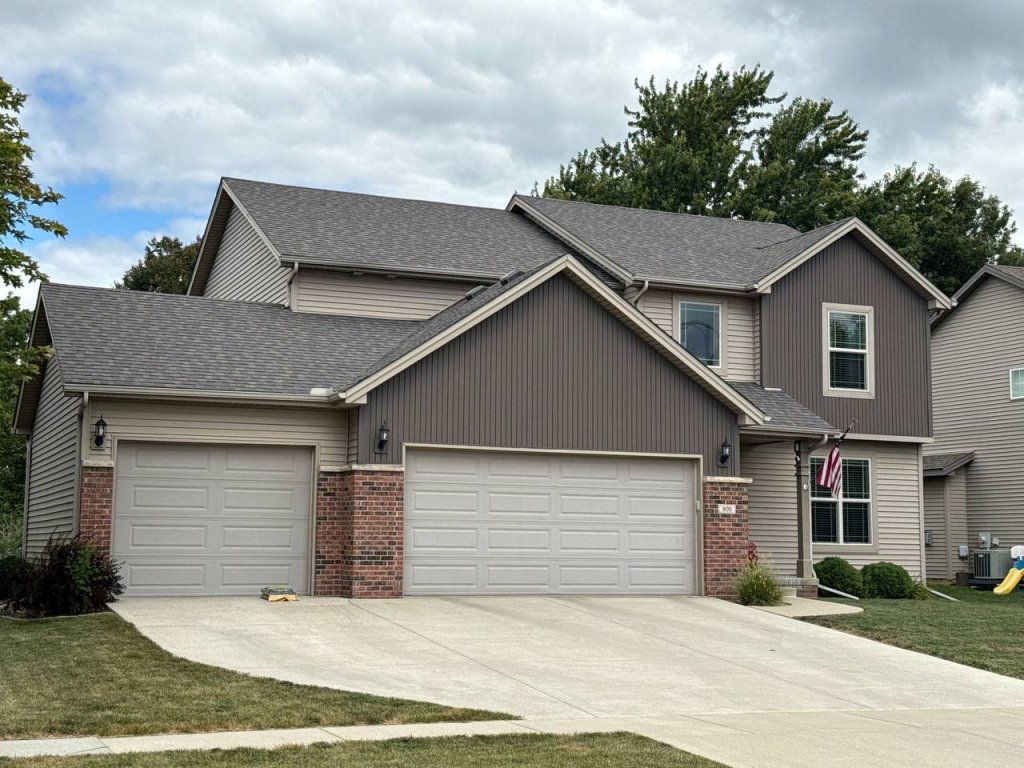
The roof is the most expensive single component most home buyers never actually look at. A general home inspection typically includes only a limited roof review — often from the ground, through binoculars, or from a ladder at the eaves. As a result, buyers regularly close on homes with roofs that need five-figure work within a few years. Sellers, meanwhile, lose deals or thousands in last-minute concessions over roof questions they could have answered upfront. A dedicated roof inspection when buying a house closes that gap for both sides.
At Cupples Construction, we inspect roofs across Central Illinois for buyers, sellers, and realtors every month. So here is what a real roof inspection covers, how it differs from the general home inspection, and how each side of the transaction should use the results.
Why the General Home Inspection Isn’t Enough
General home inspectors do valuable work, but the roof gets a fraction of their attention. Most follow standards that only require a visual assessment “from accessible locations.” In practice, that often means the inspector never walks the roof at all. Steep pitches, wet conditions, or liability rules keep them on the ground. Consequently, their report may note “roof appears serviceable” based on a view that can’t reveal soft decking, lifted flashing, or hail bruising.
There is also a knowledge gap. A home inspector covers everything from wiring to plumbing to foundations. A roofing contractor, by contrast, looks at roofs all day and knows what a Central Illinois roof looks like at years 10, 15, and 20. The difference shows in the details: an inspector might note “some granule loss,” while a roofer can tell you whether that granule loss means three years of life left or fifteen.
None of this means skipping the general inspection. Instead, treat the roof line in that report as a screening tool. If the home inspector flags anything — or if the roof’s age is unknown — a dedicated roof inspection is the logical next step.
What a Professional Roof Inspection Actually Covers
A dedicated roof inspection goes far beyond a curbside glance. Here is what we evaluate, and why each item matters in a transaction.
The Roof Surface
We walk the roof whenever conditions allow. Up close, we check shingle condition, granule loss, cracking, curling, and previous repair quality. We also look for hail bruising and wind creasing — damage patterns that ground-level views routinely miss. This matters in a purchase, because undisclosed storm damage can turn into a denied insurance claim for the new owner later.
Flashing, Penetrations, and Details
Most leaks start at the details, not the field shingles. Therefore, we inspect chimney flashing, valley metal, pipe boots, skylights, and vent penetrations closely. Cracked pipe boots and lifted step flashing are cheap to fix now. However, they become interior water damage if they ride along unnoticed through a sale.
The Attic Side
The underside of the roof tells the rest of the story. We check for water staining on the decking, soft or delaminated sheathing, mold, daylight at penetrations, and ventilation problems. In fact, the attic often reveals history the surface hides — old leaks that were painted over, or condensation issues a buyer would otherwise inherit blind.
Remaining Life and Cost Outlook
Finally, we put it together into the answer buyers actually need: roughly how many years of service remain, what maintenance is coming, and what repair or replacement would cost at today’s prices. That number is what turns an inspection from a document into a negotiating tool.
For Buyers: How to Use the Roof Inspection
Timing matters most. Schedule the roof inspection during your inspection contingency window, so the findings can still shape the deal. Coming out of it, the results generally point one of three directions.
A clean report gives you confidence and a maintenance baseline. Document it and close. Moderate findings — aging but serviceable, or repairs needed — become negotiation material. You can request repairs before closing, a price reduction, or a seller credit sized to the repair estimate. Serious findings — end-of-life shingles, decking damage, active leaks — justify a bigger conversation. A replacement-sized credit, a completed replacement before closing, or in some cases walking away are all reasonable outcomes.
One more buyer note: ask about the roof’s insurance history. A roof with a recent insurance claim, or one old enough that carriers surcharge it, affects your premiums from day one. Some insurers now require roof age documentation before binding coverage. Your inspection report can serve as exactly that documentation.
For Sellers: Get Ahead of the Roof Question
Sellers hold an underused advantage: you can answer the roof question before buyers ask it. A pre-listing roof inspection costs little and pays off in three ways.
First, it eliminates surprises. The worst time to learn about a roof problem is ten days before closing, when the buyer’s inspector finds it and every repair carries deadline pressure. Second, it lets you fix small items cheaply — a pipe boot, a flashing reseal — before they appear in a buyer’s report looking scarier than they are. Third, a documented, recently inspected roof becomes a marketing asset. “Roof inspected [year], report available” reads very differently to a cautious buyer than silence.
If your roof genuinely needs replacement, get real numbers before you list. Sometimes replacing before listing returns more than the credit a buyer would demand. Other times, pricing the home accordingly and disclosing openly is smarter. Either way, deciding with actual estimates beats guessing. Our roofing team provides those estimates across Central Illinois, and if a warranty transfer applies to your existing roof, sorting the paperwork before listing adds genuine value for the buyer.
Red Flags That Deserve Extra Attention in a Sale
Certain findings should slow any transaction down until they are understood. Multiple shingle layers is one: a layover roof hides the decking condition entirely, and its replacement will cost more because of the extra tear-off. Interior ceiling stains are another — even “old, dried” stains deserve an attic-side explanation before you accept that story. Fresh paint on isolated ceiling patches, in fact, deserves polite skepticism.
Similarly, watch for mismatched shingle patches, which signal past damage and raise repair-quality questions. Sagging roof lines point to structural or decking issues beyond the shingles. Finally, an unknown roof age with no permits or receipts means every assumption in the deal rests on a guess. In each case, the fix is the same: get roofing eyes on it before the contingency window closes. If there is any sign of active water intrusion, our roof leak detection team can trace the source and separate cosmetic history from live problems.
What a Roof Inspection Costs Compared to What It Prevents
A dedicated roof inspection typically costs a small fraction of one percent of the home’s price. Compare that against the downside. A missed end-of-life roof means a five-figure replacement landing on the new owner in the first years of ownership. A missed active leak means interior repairs on top of roof repairs. Meanwhile, an insurance surprise — a carrier refusing to write full coverage on an aging roof — can complicate the mortgage itself.
For sellers, the math is similar. A single derailed contract costs weeks of market time and often a price cut on relisting. Measured against either outcome, the inspection is the cheapest insurance in the entire transaction.
Frequently Asked Questions About Real Estate Roof Inspections
Is a roof inspection worth it when buying a house?
Yes, in almost every case. The general home inspection reviews the roof only from accessible locations, which often means from the ground. A dedicated roof inspection walks the surface, checks the flashing details, and examines the attic side. For a small cost relative to the purchase, it either confirms the roof is sound or gives you the numbers to negotiate. Either outcome pays for itself.
Does a home inspection include the roof?
Partially. Most home inspection standards require only a visual roof assessment from accessible vantage points, and many inspectors do not walk the roof due to pitch, weather, or liability rules. The report can therefore miss hail bruising, soft decking, and flashing problems. Treat the home inspection’s roof section as a screening step, not a final answer — especially on roofs older than ten years.
Should I get a roof inspection before selling my house?
It is one of the highest-leverage moves a seller can make. A pre-listing inspection surfaces problems while you can still fix them cheaply and without deadline pressure. It also produces documentation that reassures buyers and supports your asking price. If the roof needs major work, you learn it early enough to choose between replacing, crediting, or pricing accordingly.
How long does a roof inspection take?
Most residential roof inspections take about one to two hours on site, depending on roof size, pitch, and attic access. The written report with photos typically follows within a day or two. For transactions, that timeline fits comfortably inside a standard inspection contingency window — but schedule early in the window so any follow-up estimates arrive before your deadline.
Can a bad roof stop a home sale?
It can, though it usually reshapes the deal rather than killing it. Serious roof findings commonly lead to seller repairs, price reductions, or closing credits sized to a replacement estimate. Problems arise when the roof surprises everyone late — that is when deals fall apart. Additionally, some lenders and insurers have their own roof condition requirements, which can hold up financing until repairs are documented.
Who pays for the roof inspection in a home sale?
Whoever orders it. Buyers typically pay for inspections during their contingency period, and sellers pay for pre-listing inspections. There is no rule against negotiating it, however. Some buyers request the seller cover follow-up specialty inspections when the general inspection flags a concern. Given the cost, the more important question is not who pays but whether it happens before the contingency deadline.
Buying or selling in Central Illinois and want a straight answer on the roof before the deadline hits? Contact Cupples Construction through our contact page or call 309-826-4377. We inspect for buyers, sellers, and realtors — and we put the findings in writing.